10 Safety Tips for Dog Owners
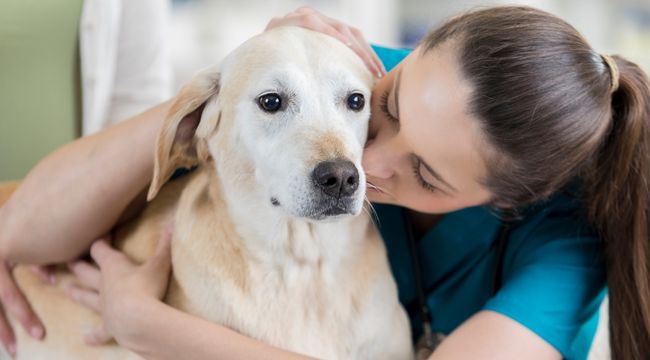
Every dog owner wants their furry friend to stay safe and happy. But our world can be full of hidden dangers—from busy roads and spicy foods to slippery floors and tiny toys. That’s why these Safety Tips for Dog Owners are so important. With a few simple steps, you can protect your dog from common risks at home and on walks.
Imagine spotting a loose wire before your pup gets tangled or checking treats to make sure they’re healthy and dog-friendly. Tiny actions like these can make a big difference. This guide will share easy-to-follow advice, real-life examples, and friendly reminders to help you spot hazards and prevent accidents. Let’s work together to keep tails wagging and hearts full—because a safe dog is a happy dog!
Table of Contents
- 1. Toxins and Your Dog
- 2. Dog Bite Prevention
- 3. Preventing Dog Fights
- 4. Summer Safety
- 5. Winter Safety
- 6. Prevent a Lost or Stolen Dog
- 7. Wellness Exams to Prevent Illness
- 8. Water Safety
- 9. Safe Driving With Dogs
- 10. Emergency and Disaster Preparedness
- Conclusion
1. Toxins and Your Dog
Your dog’s nose leads them to all sorts of interesting things—crumbs on the floor, bright flowers in the yard, or spills under the sink. But some everyday items can harm your pup. Here’s what to watch for and how to keep your dog safe:
- Toxic Foods
- Chocolate can make dogs sick and even cause seizures.
- Grapes and raisins can damage kidneys.
- Onions, garlic, and chives can harm blood cells.
- Xylitol, a sugar substitute in gum and candies, can drop blood sugar and hurt the liver.
- Poison Plants
- Lilies, azaleas, and oleander can upset the stomach or harm the heart.
- Sago palms can lead to liver failure and wobbling legs.
- Ivy and mistletoe can cause drooling, diarrhea, or a fast heartbeat.
- Household Chemicals
- Antifreeze tastes sweet but is deadly in tiny amounts.
- Cleaners, pool chemicals, and pesticides can burn skin or upset the stomach.
- Rodent bait and bug sprays can cause bleeding problems or seizures.
- Easy Precautions
- Keep foods and cleaners in high or locked cabinets.
- Choose pet-safe cleaners and yard products.
- Watch your dog closely in new spaces and give safe chew toys to keep them busy.
- If Your Dog Eats Something Bad
- Stay calm and move the toxin away.
- Call your vet or the ASPCA Poison Control Hotline at (888) 426-4435 right away.
- Note what and how much your dog ate.
- Never make your dog vomit without professional advice.
By knowing common toxins and taking small steps, you can make home and yard safer. And if your dog does get into something harmful, quick action can make all the difference.
2. Dog Bite Prevention
Dogs bring joy and companionship, but even the friendliest pup can snap if they feel scared or stressed. Here’s how to keep everyone safe:
- Train and Obey
Use positive rewards to teach basic commands like “sit,” “stay,” and “leave it.” A well-trained dog listens to you, even around distractions. - Socialize Early
Invite friends—and their calm, vaccinated dogs—over for supervised playdates. Gentle exposure helps puppies learn good manners and reduces fear of new faces. - Know Your Dog’s Triggers
Does your dog bark at strangers or freeze when meeting big dogs? Spot those signs—growling, stiff bodies, or lip licking—and move your dog to a quiet spot before things escalate. - Manage Risky Situations
- Use a sturdy leash and collar or harness on walks.
- Keep uncomfortable dogs away from crowds, busy parks, or noisy children.
- Muzzle training can help dogs with a history of snapping, but introduce it slowly with treats and praise.
- Teach People How to Behave
Remind guests—and especially kids—to ask before petting. Show them how to hold out a flat hand and let the dog sniff first. Never hug a dog or pull on ears and tails. - Support Safe Play
Provide plenty of toys and bones to prevent resource guarding. If your dog guards food or toys, feed them in a quiet area and pick up toys when playtime ends. - Learn Dog Body Language
A wagging tail doesn’t always mean “happy.” Watch for yawns, raised hackles, or a tucked tail. These clues help you step in before a bite happens.
By training, socializing, and respecting your dog’s limits, you’ll reduce bite risks and build a trusting bond. And by sharing these tips, you help everyone enjoy safer, happier moments with our four-legged friends.
3. Preventing Dog Fights
Dog play can look rough, but most friendly bouts never cross the line. To keep play safe and avoid scary fights, follow these simple steps:
- Learn Normal Play
Watch for loose bodies, play bows, and gentle mouthing. These signs show dogs are having fun. Tight stances, stiff legs, or growling without breaks signal tension. - Supervise Every Interaction
Never leave dogs alone, even familiar ones. Stay close during playdates and step in if play gets too wild. - Create a Calm Environment
Remove high-value toys, treats, or food bowls before play. Fewer “prizes” mean fewer reasons to compete and fewer flare-ups. - Match Energy Levels
Pair dogs of similar size, age, and play style. A tiny pup may feel overwhelmed by a boisterous adult, and that stress can spark fights. - Teach “Leave It” and “Come”
Train reliable recall and drop-it commands. When tension rises, call your dog away for a quick break. - Offer Breaks and Space
Give dogs a few minutes apart after intense play sessions. A calm time-out helps them reset and lowers the chance of snapping. - Watch Body Language
Look for raised hackles, direct stares, or quick lunges. These warnings mean it’s time to separate dogs before things escalate. - Interrupt Safely
If a scuffle begins, never grab collars or reach between dogs. Use a loud clap, water spray, or a barrier (like a board) to break line of sight. - Use Muzzles Cautiously
For dogs with a history of aggression, muzzle training can add safety. Introduce the muzzle slowly with treats and praise, so it never becomes a stress trigger. - Seek Professional Help
If your dog shows repeated aggression, consult a certified trainer or behaviorist. Expert guidance can address underlying issues and keep everyone safe.
By understanding play cues, providing clear rules, and acting quickly at the first sign of tension, you’ll help your dogs enjoy fun, fight-free interactions.
4. Summer Safety
Summer brings sunshine, playtime, and long walks with your dog. But hot days also bring hidden dangers. Here’s how to keep your pup cool, comfy, and safe:
- Beat the Heat
Walk early or late when pavement and air are cooler. Test pavement with your hand—if it’s too hot for you, it’s too hot for paws. Provide fresh water every few minutes, and offer shady spots to rest. - Prevent Heat Stroke
Dogs can’t sweat like we do. Watch for heavy panting, drooling, or wobbly legs—these are warning signs. Move your dog into the shade, wet their fur with cool (not icy) water, and call your vet right away. - Protect Against Sunburn
Short-haired or light-colored dogs burn easily. Apply a pet-safe, broad-spectrum sunscreen to their nose, ears, and belly before heading out. Reapply after swimming or heavy panting. - Keep Cool Indoors
Create a cool zone with fans or air conditioning. Freeze a wet towel or buy a cooling mat for your dog to lie on. Always leave fresh water accessible in every room. - Hydration Tips
Carry a collapsible bowl and water bottle on walks. Offer ice cubes as a special treat. If your dog refuses to drink, try adding a splash of low-sodium chicken broth to entice them. - Water Safety
Never leave dogs unattended near pools or lakes. Use a canine life jacket for boat rides or swimming lessons. Rinse off chlorine or salt after water play to protect skin and coat. - Watch for Pests
Fleas, ticks, and mosquitoes thrive in summer. Use vet-recommended preventives year-round. After outdoor time, check your dog’s coat, ears, and paws for hitchhikers. - Avoid Overexertion
Limit intense exercise on hot days. Try quieter games like scent work or indoor puzzle toys. Monitor older or flat-faced breeds closely—they overheat faster than others.
By spotting these hazards and taking simple steps, you’ll help your dog enjoy every sunny day safely—and make summer memories you’ll both cherish.
5. Winter Safety
Cold days bring fun snow play and cozy snuggles, but winter can also harm your dog. Here’s how to keep them safe and warm:
- Guard Against Frostbite
Snow and ice chill paws, ears, and tails. Limit outdoor time when it’s very cold. Wipe your dog’s paws and legs after walks to remove ice clumps and salt. - Prevent Hypothermia
Watch for shivering, slow movements, or weakness—signs your dog is too cold. Bring them inside at the first hint of discomfort and wrap them in a warm towel or blanket. - Protect Paws and Skin
Use dog-safe booties to shield pads from ice, salt, and de-icers. If your dog won’t wear boots, apply a paw balm before walks to create a protective barrier. - Avoid Antifreeze Poisoning
Antifreeze has a sweet taste but is deadly in tiny amounts. Clean up spills immediately and store containers well out of reach. - Bundle Up
Short-haired or small breeds may need a sweater or coat on chilly outings. Make sure it fits snugly but allows free movement. - Watch for Hidden Dangers
Snow can cover sharp objects, thin ice, or deep drifts. Stick to familiar paths and keep your dog on a leash near frozen lakes or ponds. - Keep Hydrated
Dogs can get dehydrated in winter too. Provide fresh, unfrozen water. Check bowls often to make sure they haven’t iced over. - Comfort Indoors
Create a warm spot with blankets or a pet bed away from drafts. Keep heaters and fireplaces guarded so your dog can’t get too close.
By taking these simple steps—protecting paws, monitoring time outside, and keeping your home cozy—you’ll help your dog enjoy winter safely and happily.
6. Prevent a Lost or Stolen Dog
Preventing a lost or stolen dog starts with simple safeguards. Fit your pup with a snug collar and up-to-date ID tag—people are far more likely to help when they know who to call. Microchipping adds a hidden backup in case tags fall off. Make sure fences, gates, and harnesses are secure, and always keep an eye on your dog outdoors or use a tangle-free tie-out. Teaching a reliable recall can save the day if your dog bolts, and sharing a clear photo on social media or with neighbors helps spread the word fast. For extra peace of mind, consider a lightweight GPS tracker on the collar. These steps work together to keep your best friend close and bring them home quickly if they ever wander off.
7. Wellness Exams to Prevent Illness
Regular vet checkups do more than update shots—they catch hidden health issues early, when treatment is simplest. During a wellness exam, your vet listens to your dog’s heart and lungs, checks joints for arthritis, and examines teeth for dental disease. Blood tests can reveal kidney or liver concerns before symptoms appear. Skin and coat inspections spot allergies or parasites. By visiting the vet once or twice a year, you give your dog the best chance to stay healthy, avoid costly treatments, and enjoy a longer, happier life. Think of these visits as tune-ups: small steps now prevent big problems later, keeping tails wagging for years to come.
8. Water Safety
Nothing beats a fun swim on a hot day—but water comes with its own risks. Not every dog is a natural swimmer. Some breeds, like Labs and Goldens, may paddle instinctively, but many pups need lessons. Start in shallow water, wading with your dog and using toys to make it a game. Never force them in; let curiosity, not fear, guide their first splash.
A doggie life jacket is more than a safety net for beginners—it’s smart for every outing. Whether you’re boating or playing by a river, a bright vest keeps your dog afloat, easy to spot, and simple to grab if currents pull them. Teach your dog to enter and exit water near steps or a gentle shore so they always know the way out.
Watch what your dog drinks. Pool chlorine, saltwater, and pond scum can all upset tummies or carry parasites like Giardia. Keep fresh water within reach and encourage sips from a bowl. Rinse off after swims to clear away chemicals, sand, or tiny critters that cling to fur.
Sunburn isn’t just a human problem—dogs with short fur or light noses can burn too, especially since water reflects sunlight. Offer shady retreats and consider pet-safe sunscreen on noses and ears. Slip a cooling vest or wet towel over your dog’s back to lower their body temperature between swims.
Finally, a rock-solid recall is your best safeguard. Before letting your dog roam free by the water, practice “come” and “stay” on dry land. If they wander toward deeper water or unexpected waves, a firm call brings them back to safety. With these simple steps—slow starts, life jackets, fresh water, sun protection, and trusted training—you’ll turn every splash into a worry-free adventure.
9. Safe Driving With Dogs
Driving with your dog can turn a simple errand into a fun outing, but it also comes with hidden dangers. A loose pup can distract you, risk injury in a sudden stop, or even overheat in a parked car. By taking a few easy precautions, you’ll keep your furry co-pilot safe and stress-free—so both of you can enjoy the ride.
- Secure Your Pup
Imagine hitting the brakes suddenly—an unrestrained dog can zoom forward like a missile. Use a crash-tested harness, a sturdy crate, or a pet barrier in the back seat. This keeps your dog safe and your focus on the road. Plus, no more dog hair on the front dashboard! - Never Leave Your Dog Alone in the Car
Even on a cool day, parked cars heat up fast. Your dog can go from comfy to crisis in minutes. If you need to pop into a store, it’s kinder to leave your dog at home or bring them inside with you. - Tackle Motion Sickness
A nervous tummy can turn your backseat into a disaster zone. Skip the meal a few hours before your trip and roll down a window for fresh air. If your dog still feels queasy, chat with your vet about ginger treats or safe anti-nausea options. - Ease Anxiety with Short Drives
If your dog trembles when the engine starts, begin with just a quick circle around the block. Reward calm behavior with praise or a tiny treat. Gradually build up to longer rides so your dog learns “car time” equals “good times.” - Pack for Comfort
Stash a collapsible water bowl, bottled water, and a favorite toy in your car. Frequent stops for a sip and a stretch keep your dog relaxed and hydrated. And a familiar blanket or toy helps reduce stress on longer journeys. - Be Ready for Emergencies
Keep a pet first-aid kit in the glovebox—think bandages, antiseptic wipes, and your vet’s number. Before you hit the highway, look up 24/7 veterinary clinics along your route. Knowing help is nearby gives you real peace of mind.
10. Emergency and Disaster Preparedness
When disaster strikes, every second counts. Having a plan for your dog before an emergency can turn panic into confident action—and save your pup’s life. Here’s how to get ready:
- Identification
Keep your dog wearing a snug collar with an up-to-date ID tag at all times. A tiny microchip under the skin gives you a hidden backup if tags fall off. In a crisis, clear ID helps good Samaritans and rescue teams bring your dog home. - First Aid and Medical Know-How
Learn basic pet first aid: how to stop bleeding, treat minor burns, and clear airways. Recognize urgent signs—like heavy bleeding or trouble breathing—and call your vet right away. A quick response can make all the difference. - Evacuation Plan
If you must leave, take your dog—even a quick flash flood can become a trap. Practice loading your dog into the car or a crate so it feels normal. Keep a sturdy leash and collar by the door. If you can’t leave in time, choose a safe room indoors and keep your dog leashed or kenneled until help arrives. - Safe Havens and Shelters
Most public shelters don’t allow pets, so call hotels nearby—and farther away—to ask about emergency pet policies. List local veterinary offices and boarding facilities too. When you know your options, you won’t scramble at the last minute. - Assistance When You’re Away
Place a “Pets Inside” sticker on each door with your vet’s number and how many animals live there. In a sudden fire or flood, first responders will know exactly what’s waiting inside. Ask a trusted neighbor to check on your pets if you can’t be there. - Disaster Kit Essentials
Build a go-bag for you and your dog, and store it within arm’s reach. Aim for at least one week’s supply of:- Bottled water and dog food
- Medications and copies of vet records
- Extra collars, leashes, and a crate or carrier
- Recent photos of your dog for identification
- Comfort items like a favorite toy or blanket
- Flashlight, batteries, and basic human first-aid supplies
Check your kit every few months. Replace expired food, water, and meds so you’re always ready.
By taking these simple steps now—ID, first aid skills, evacuation plans, safe shelter spots, home rescue info, and a packed kit—you’ll turn a frightening disaster into a manageable drill. Your calm, prepared actions will keep your dog safe and help you both weather any storm.
Bonus Tips:
Dry Dog Food or Wet Dog Food
Choosing between dry kibble and wet canned food can feel confusing, but both can support a happy, healthy dog when chosen wisely. Here’s what to consider:
- Nutrient Balance
High-quality dry and wet foods must meet AAFCO standards, so check the label for “complete and balanced” certification. Dry food often has more concentrated calories, while wet food provides extra moisture. - Hydration Benefits
Wet food’s high water content helps dogs who don’t drink enough, supporting kidney and urinary health. If your dog tends to be picky about water, a daily scoop of wet food can boost hydration. - Dental Health
Crunchy kibble can help scrub away plaque as your dog chews. To maximize this benefit, look for dry foods with larger, textured pieces. However, kibble alone won’t replace regular teeth brushing or professional cleanings. - Weight Management
Dry food’s calorie density makes portion control essential. If your dog needs to slim down, you can measure smaller portions more easily with kibble. Wet food can help dogs feel full on fewer calories—just watch canned food’s salt content. - Digestibility and Sensitivities
Dogs with sensitive stomachs sometimes do better on wet food because it’s easier to digest and less processed. If your dog has allergies or digestion issues, a limited-ingredient wet formula may reduce tummy troubles. - Convenience and Cost
Dry food is easy to store, measure, and lasts longer once opened. Wet food must be refrigerated and used quickly. While wet food generally costs more per meal, mixing a little canned food into kibble can balance budget and benefits. - Palatability and Variety
Many dogs find wet food’s aroma and texture more tempting—great for picky eaters or senior dogs with reduced appetite. Rotating between dry and wet food can keep mealtime exciting and satisfy finicky tastes.
Bottom Line
There’s no one-size-fits-all answer. You can feed dry, wet, or a combination based on your dog’s needs, budget, and preferences. Talk with your vet about your dog’s age, health, and lifestyle to find the perfect mix. With the right choice, every meal will nourish your dog’s body—and keep that tail wagging.
Conclusion
When your dog’s health is on the line, trust your instincts and call your veterinarian without delay. Only your vet has the full picture of your dog’s medical history and can give the best advice for treatment. Prompt action and professional guidance help keep your dog happy, healthy, and by your side for many joyful years.