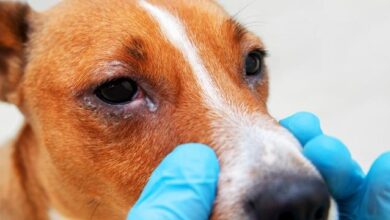
10 Best Ways to Support Your Dog
A veterinarian's practical guide to helping your dog live a healthier, happier life, starting now.
Dogs don’t need perfection. They need consistency, safety, and a human who notices the small stuff.
As a veterinarian, I see the same pattern over and over. The dogs who do best are not the ones with the most expensive gear. They are the ones whose owners focus on simple habits like good food, steady routines, prevention, and real connection. This guide shares 10 practical ways to support your dog every day, with clear steps you can start now.
Table of Contents
- 1) Lock In a Routine Your Dog Can Count On
- 2) Feed for Energy, Weight, and Long-Term Health
- 3) Protect Them With Preventive Vet Care (Not Just Sick Visits)
- 4) Make Dental Care a Non-Negotiable
- 5) Give Daily Exercise—Matched to Your Dog’s Body
- 6) Train the Brain (Because Boredom Causes Trouble)
- 7) Teach Clear Manners Using Kind, Consistent Training
- 8) Groom for Comfort, Not Just Looks
- 9) Keep Them Safe at Home and Outdoors
- 10) Support Their Emotional Health (Yes, Dogs Have Big Feelings)
- Conclusion
- FAQS.
1) Lock In a Routine Your Dog Can Count On
Dogs feel safer when they know what to expect. A routine helps lower stress and can prevent behavior problems like barking, chewing, or accidents in the house.
Try to keep meals, walks, and bedtime within the same one to two hour window each day. If your schedule changes a lot, set a few anchor points that always stay the same, such as a morning potty break and an evening walk to wind down.
Quick routine wins:
- Morning potty break within 30 minutes of waking
- Meals at consistent times
- A short “settle” period after exercise
- Bedtime wind-down (same place, same cue)
2) Feed for Energy, Weight, and Long-Term Health
Food does more than just provide energy. The right diet supports your dog’s immune system, joints, skin, and mood. The wrong food can lead to weight gain, stomach problems, or itchy skin.
Choose a complete and balanced diet that matches your dog’s age, whether puppy, adult, or senior. If you are not sure, ask your vet what to look for on the label. Always measure meals. Guessing portions is a common reason dogs gain weight over time.
Simple feeding rules that work:
- Use a measuring cup or kitchen scale
- Limit treats to 10% or less of daily calories
- Avoid frequent table scraps (they add up fast)
- Fresh water should always be available
3) Protect Them With Preventive Vet Care (Not Just Sick Visits)
Prevention is the simplest and most affordable way to keep your dog healthy. Regular checkups help your vet find problems early, before they become emergencies. This includes dental disease, heart murmurs, arthritis, and fast-growing lumps.
Your dog also needs protection from parasites and infectious diseases. Fleas, ticks, worms, and mosquitoes can cause serious illness. Heartworm is a good example. It can be deadly and costly to treat, but it is usually preventable.
What to discuss at your next visit:
- Vaccines based on your dog’s lifestyle
- Flea/tick prevention and heartworm prevention
- Stool testing for intestinal parasites
- Skin, ears, weight, and joint health
4) Make Dental Care a Non-Negotiable
Dental disease is one of the most common problems I see, and it is painful. Dogs are good at hiding pain, so you may not notice until their breath smells bad or they stop chewing as usual.
Start with tooth brushing, which is the best way to care for your dog’s teeth. If brushing is difficult, begin by touching your dog’s muzzle, then the lips, and then the teeth. Take it slow. Only use toothpaste made for dogs, since human toothpaste can be harmful.
Dental support that helps:
- Brush teeth 3–5 times per week (daily is best)
- Dental chews approved by veterinary dental groups
- Regular dental exams and cleanings when recommended
- Watch for signs: bad breath, red gums, dropping food
5) Give Daily Exercise—Matched to Your Dog’s Body
Exercise is important for your dog’s health. It helps with weight, heart health, digestion, and calmer behavior. The right amount depends on your dog’s breed, age, and health.
Young working breeds may need long walks and training games. Senior dogs often do better with shorter, more frequent outings. If your dog limps, hesitates on stairs, or seems stiff after resting, talk to your vet before increasing activity.
Easy ways to add movement:
- Two 15–30 minute walks instead of one long one
- Gentle hill walking (great for muscles)
- Tug, fetch, or flirt pole games in short bursts
- Indoor games during hot or icy weather
6) Train the Brain (Because Boredom Causes Trouble)
Mental exercise can tire dogs out even faster than physical exercise. Bored dogs often find their own jobs, like chewing furniture, digging holes, or barking at every sound.
Enrichment is a healthy challenge for your dog. Give your dog chances to sniff, search, solve, and work a bit. Even five minutes of brain work can help a lot.
Simple enrichment ideas:
- Food puzzles and slow feeders
- Scatter feeding in grass (supervised)
- Sniff walks where your dog leads and explores
- Hide-and-seek with treats or toys
- Rotate toys weekly so they feel “new” again
7) Teach Clear Manners Using Kind, Consistent Training
Training is not about dominance. It is about communication. Dogs learn best when you reward the behaviors you want and prevent the ones you do not want.
Start with the basics that keep your dog safe, such as coming when called, walking on a loose leash, leaving things alone, and settling calmly. Use small treats, praise, and keep sessions short. Five minutes twice a day is better than one long, frustrating session.
Training tips that save time
- Reward good choices immediately (within 1–2 seconds)
- Keep sessions short and end on success
- Don’t punish fear—build confidence instead
- If something fails, make it easier and try again
8) Groom for Comfort, Not Just Looks
Grooming is part of your dog’s health care. Mats can pull the skin and hide infections. Long nails change how dogs walk and can make joint pain worse. Dirty ears can become painful quickly, especially in dogs with floppy ears.
Start building a calm grooming routine early. Gently handle your dog’s paws, ears, and mouth, and reward them for staying calm. If your dog dislikes grooming, do not force it. Break the process into small steps and pair each one with something your dog enjoys.
What to stay on top of
- Brush coat based on hair type (daily to weekly)
- Trim nails before they click on the floor
- Check ears weekly for odor, redness, or discharge
- Look for new lumps, scabs, or hot spots
9) Keep Them Safe at Home and Outdoors
Many emergencies can be prevented. Dogs can get into trouble quickly, such as eating chocolate from the counter, finding pills in a backpack, slipping out a door left open, or being on a loose leash near traffic.
Think about safety in layers: identification, supervision, and safe spaces. Your dog should always wear a secure collar tag and have a microchip. A microchip is a small ID chip under the skin that helps shelters and clinics contact you if your dog is lost.
Safety basics every owner should do:
- ID tag + microchip (and keep info updated)
- Leash in unfenced areas (even “well-trained” dogs)
- Lock up medications, cleaners, and toxic foods
- Use a crate or gated area for safe downtime
- Prevent heat stroke by never leaving your dog in the car, even for a short time.
10) Support Their Emotional Health (Yes, Dogs Have Big Feelings)
Dogs need connection. They also need rest. Many behavior problems come from stress, loneliness, or being “on” all the time.
Aim for a balance of quality time, gentle social exposure, and quiet recovery. If your dog struggles when alone, such as howling, destroying things, drooling, or panicking, talk to your vet or a qualified trainer. Separation anxiety is real and can be treated.
Ways to build emotional security
- Calm greetings and calm goodbyes (no drama)
- A predictable “safe spot” like a bed or crate
- Short practice absences with rewards
- Social time that fits your dog (not every dog loves dog parks)
Conclusion
You do not have to do everything at once. Start with one or two changes and add more over time.
Key takeaways to remember:
- Routine lowers stress and improves behavior
- Good nutrition + healthy weight adds years to life
- Prevention (vet care, parasites, vaccines) saves pain and money
- Dental care matters more than most people realize
- Exercise and brain games create calmer, healthier dogs
- Training is communication—keep it kind and consistent
- Grooming and safety habits prevent common emergencies
- Emotional support helps your dog feel secure and confident
If you want a simple place to start, measure your dog’s food, schedule a vet wellness visit, add one enrichment game, and brush your dog’s teeth twice this week. Small steps can lead to big results.
FAQS.
How often should I take my dog to the vet?
Most healthy adult dogs do best with a yearly vet visit for a checkup. Puppies and older dogs usually need to go more often. These visits help catch health problems early, keep vaccines up to date, and make sure your dog stays protected from parasites.
What’s the best food for my dog?
Choose a food that is complete and balanced for your dog’s age, size, and health. Stick with a trusted brand and be cautious of diets that claim quick fixes. If your dog has itchy skin or stomach trouble, your vet can help you find the right food to try.
How much exercise does my dog need daily?
How much exercise your dog needs depends on their breed, age, and health. Most adult dogs do well with 30 to 90 minutes of activity each day, broken into shorter sessions. If your dog seems stiff, limps, or slows down, try gentler activities and ask your vet about ways to support their joints.
How do I know if my dog is overweight?
You should be able to feel your dog’s ribs under a thin layer of fat and see a waist when looking from above. If you cannot feel the ribs easily, your dog may be overweight. Extra weight can make arthritis, diabetes, and breathing problems more likely. Try measuring your dog’s food and cutting back on treats to help them reach a healthy weight.
Is brushing my dog’s teeth really necessary?
Yes, brushing your dog’s teeth is important. Dental disease is common and can be painful, and bad breath is often an early sign. Brushing is the best way to care for your dog’s teeth at home. Start slowly, use toothpaste made for dogs, and reward your dog for staying calm. Dental chews can help, but they do not replace brushing or regular dental checkups at the vet.
What are signs my dog is stressed or anxious?
Signs of stress in dogs include pacing, heavy panting, shaking, hiding, licking their lips, yawning when not tired, whining, or chewing things they should not. Some dogs may also stop eating. Stress can be caused by loud noises, changes in the home, or being left alone. Keeping a steady routine and using gentle training can help your dog feel more secure.
Should I take my dog to the dog park?
Take your dog to the dog park only if they enjoy it and play well with others. Dog parks can sometimes spread illness or lead to fights. Many dogs are happier with quiet walks or small playdates. If you do visit a dog park, try to go when it is less crowded, watch your dog closely, and leave if play gets too rough or your dog seems uncomfortable.
What should I keep in a dog first-aid kit?
Your dog’s first-aid kit should have gauze, non-stick pads, bandage wrap, pet-safe antiseptic wipes, tweezers, a digital thermometer, saline, a cone, and your vet’s phone number. Include any medications your dog needs. A first-aid kit is helpful for small problems, but if your dog has serious symptoms, call your vet right away.