Bernedoodles: The Perfect Blend of Intelligence, Loyalty, and Fluff
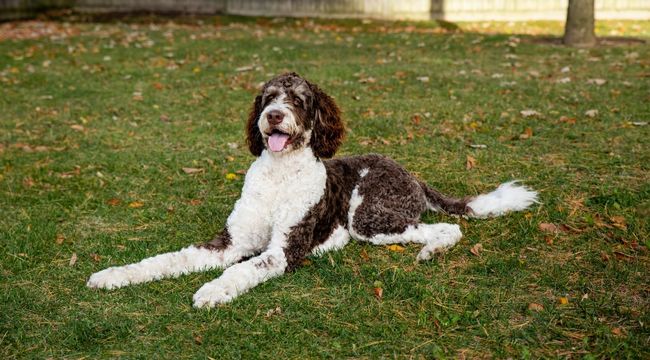
The Bernedoodle is a hybrid breed created by crossing Bernese mountain dogs with poodles. They combine the gentle nature of the Bernese Mountain Dog with the smarts of the Poodle. Most people love their soft, low-shedding coat, which is often hypoallergenic. Bernedoodles fit in well with families, singles, and first-time dog owners. One moment they are full of playful energy, chasing a ball or learning a new trick. The next they are happy to cuddle on the couch.
In this guide, you’ll find clear tips on Bernedoodle temperament, health care, grooming, and training. You’ll learn simple steps to help your new friend feel at home and stay healthy.
What Is a Bernedoodle?
A Bernedoodle is a mix of a Bernese Mountain Dog and a Poodle. The first intentional litter was born in Canada in 2003. Breeders wanted a dog with the Bernese’s gentle nature and the Poodle’s smart, low-shedding coat. This mix can help lower the chance of some health issues seen in pure breeds. Over the years, families fell in love with their friendly personalities and colorful coats. Today, you’ll find Bernedoodle clubs, meetups, and trusted breeders around the world.
Bernedoodle Breeds and Sizes
Bernedoodles come in three main sizes:
- Standard Bernedoodle: 70–90 lbs and 23–29 inches tall. Needs room to roam and daily play.
- Mini Bernedoodle: 25–50 lbs and 18–22 inches tall. Fits well in most homes and yards.
- Tiny (Toy) Bernedoodle: 10–24 lbs and 12–17 inches tall. Great for apartments or lap cuddles.
Think about your space and activity level when choosing. All sizes share the same loving, playful nature.
Bernedoodle Temperament and Personality
Bernedoodles are known for their warm, friendly nature. They often become a true family member. Their blend of “gentle giant” and eager-to-please spirit makes them both fun and easy to train.
Typical Bernedoodle Temperament
Bernedoodles tend to be:
- Affectionate and loving. They thrive on cuddles and follow you around the house.
- Smart and eager. They pick up new tricks quickly and enjoy mental challenges.
- Playful yet calm. They love games and walks, but also settle nicely on the couch.
This “Bernedoodle temperament” makes them great with kids, other pets, and first-time dog owners.
Socialization and Behavior Tips
Early socialization shapes a well-mannered adult dog. Start between 3 and 16 weeks old to give your pup the best foundation.
- Introduce people and places slowly. Let your puppy meet new faces in quiet settings before trying busy parks.
- Use treats and praise. Reward calm behavior when they see strangers, other dogs, or hear new sounds.
- Practice safe playdates. Invite healthy, gentle dogs over so your pup learns polite dog manners.
- Expose to household sounds. Turn on the vacuum or doorbell at low volume, then gradually increase it.
- Read their body language. If your puppy backs away, yawns, or freezes, pause and let them regroup.
These “Bernedoodle socialization” steps help prevent fear or shyness. Over time, your pup will grow into a confident, well-behaved companion.
Health and Lifespan
Common Health Issues in Bernedoodles
Bernedoodles are generally healthy, but watch for a few key concerns:
- Hip dysplasia: This happens when the hip joint doesn’t form correctly. You may see your dog limp, slow down on walks, or struggle climbing stairs. Keeping a healthy weight and avoiding too much jumping in puppyhood can help reduce the risk.
- Eye disorders: Conditions like cataracts or progressive retinal atrophy can affect vision over time. Regular eye checks help catch problems early.
- Skin allergies: Itchy skin, red patches, or ear infections often mean your Bernedoodle is allergic to something in their environment or diet. A vet can run tests and recommend a special shampoo or food to calm their skin.
Life Expectancy and Wellness Tips
Most Bernedoodles live between 12 and 18 years, with smaller dogs often living longer. To help your dog thrive:
- Dental care: Brush your dog’s teeth two to three times a week. Good dental hygiene prevents gum disease and bad breath.
- Nutrition: Feed a balanced diet rich in protein, healthy fats, and whole grains. Measure meals to keep your dog at a healthy weight and avoid free-feeding.
- Exercise and play: Daily walks, fetch sessions, and puzzle toys keep both body and mind strong.
- Regular vet visits: Annual check-ups let your vet spot issues before they become serious. Early treatment can add happy years to your dog’s life.
Grooming and Maintenance
Coat Types and Shedding
Bernedoodles can have three main coat types, each with its own look and care needs:
- Curly coat: Tight, springy curls much like a Poodle’s. This coat sheds very little, making it great for allergy sufferers.
- Wavy coat: Soft waves that fall gently. Shedding is low to moderate, and the texture is easy to maintain.
- Straight coat: Sleeker and flatter, similar to a Bernese Mountain Dog. These dogs shed more than their curly and wavy counterparts.
All coat types require regular attention. Curly coats resist shedding best, while straight coats need extra brushing to manage loose hairs. Understanding your pup’s “Bernedoodle coat types” helps you plan for “Bernedoodle shedding” and keep your home hair-free.
Grooming Schedule and Tools
A simple routine keeps your Bernedoodle looking and feeling their best:
- Brushing frequency:
- Curly coats: Brush 3–4 times per week to prevent mats.
- Wavy coats: Brush 2–3 times per week to keep waves neat.
- Straight coats: Brush twice weekly to clear loose hair and debris.
- Professional grooming: Schedule a full groom every 6–8 weeks. This includes a bath, trim, nail trim, and ear cleaning.
- Essential tools (“Bernedoodle grooming tools”):
- Slicker brush for detangling.
- Steel comb for finishing and checking for hidden mats.
- Deshedding tool or rake (for straight coats).
- Nail clippers or grinder.
Stick to these “Bernedoodle grooming tips” to avoid painful mats and tangled fur. A calm grooming session also builds trust—reward your dog with praise and a treat at the end.
Training Your Bernedoodle
Basic Obedience Training
Training early sets your Bernedoodle up for success. Start as soon as you bring your puppy home.
Crate training
Choose a crate just large enough for your dog to stand, turn, and lie down. Make it cozy with a soft bed and a safe chew toy. Encourage your pup to enter by tossing treats inside and praising them when they stay calm. Crate time should feel like a nap, not a punishment.
Leash training
Use a lightweight leash and a flat collar or harness. Let your puppy wear the leash indoors to get used to the feeling. When they pull, stop walking. Wait for slack in the leash, then reward them with a treat and praise. This teaches your dog that loose equals good.
Housebreaking
Take your Bernedoodle outside every two hours and after play or naps. Pick a spot and use a consistent cue like “go potty.” Praise and reward immediately after they finish. If accidents happen, clean the area thoroughly and avoid scolding—puppies learn best through positive feedback.
These simple “Bernedoodle training” and “Bernedoodle obedience” steps help your dog learn good habits and build trust.
Advanced Tricks and Activities
Once your Bernedoodle masters basics, keep their mind and body active with fun challenges.
Agility
Set up a mini obstacle course in your yard or living room using tunnels, jumps, and weave poles. Start low and slow, rewarding each successful run. Agility boosts confidence and strengthens the bond between you and your dog.
Therapy work
Bernedoodles’ calm, friendly nature makes them perfect therapy dogs. Basic skills include walking politely on a leash, sitting quietly for petting, and responding reliably to their name. Check local programs for certification requirements.
Nose games
Hide treats around the house or yard and let your dog sniff them out. Try simple scent containers—like a muffin tin with tennis balls covering treats—to challenge their problem-solving skills. Nose work taps into a dog’s natural instincts and provides mental stimulation.
These “Bernedoodle activities” and “Bernedoodle exercises” keep your pup happy, healthy, and well-behaved.
Bernedoodle Cost and Adoption
Price Range for Puppies
Bringing home a Bernedoodle can cost anywhere from very little up to several thousand dollars.
- Adoption fees: $50–$300. Rescue groups sometimes have Bernedoodles waiting for homes. This is the cheapest way to add one to your family.
- Breeder prices: $1,500–$5,000. Reputable breeders charge more for puppies with health testing, genetic screening, and early care.
- Size and generation: Tiny and toy Bernedoodles often cost more than minis and standards. First-generation pups (50% Bernese, 50% Poodle) tend to be pricier than multi-generation dogs.
Before you buy, factor in vaccines, vet visits, food, grooming, and supplies. Knowing the full “Bernedoodle cost” helps you budget for a happy, healthy dog.
Finding a Reputable Bernedoodle Breeder
A good breeder puts health and temperament first. Look for these key signs:
- Health screenings: Parents tested for hip dysplasia (OFA or PennHIP), elbow dysplasia, eye clearances, and heart checks.
- Genetic testing: DNA panels from labs like Embark or Animal Genetics to rule out PRA, von Willebrand’s disease, and other inheritable conditions.
- Transparent records: Breeder shares clear health certificates and test results.
- Written contract and deposit: A fair contract outlines health guarantees, spay/neuter requirements, and return policy. A deposit (often 20–30% of the price) holds your puppy’s spot.
- References and environment: Ask to meet parent dogs or see photos of them. Visit—or at least view virtually—the home or facility where puppies are raised.
- Ongoing support: A breeder who offers training tips, puppy packets, and lifetime advice shows true commitment to your pup’s well-being.
If adoption is your goal, search local rescue groups and national doodle rescues. They often list Bernedoodles in need of loving homes, and you’ll pay lower “Bernedoodle rescue” fees while giving a dog a second chance. Here is an important link for bernedoodle puppies for sale.
Conclusion
Bernedoodles blend a loving temperament with smart, playful energy, making them wonderful family pets. Staying on top of health checks, a balanced diet, and regular exercise keeps them thriving. Simple grooming routines and early training set the stage for a well-behaved companion. Whether you’re drawn to their friendly nature or hypoallergenic coats, consider adopting a Bernedoodle and giving one of these special dogs a loving home. To learn more, explore trusted breeder resources and rescue groups for your perfect furry friend.
FAQs.
Are Bernedoodles hypoallergenic?
Bernedoodles often have low-shedding coats that release fewer dander particles. This makes many Bernedoodle owners with allergies more comfortable. No dog is fully hypoallergenic, but regular brushing and baths help keep allergens down. Choosing a curly or wavy coat also cuts loose hair.
How big do Bernedoodles get?
Bernedoodle sizes vary by Poodle parent. Standard Bernedoodles stand 23–29 in and weigh 70–90 lbs. Mini Bernedoodles reach 18–22 in and 25–50 lbs. Tiny (Toy) Bernedoodles grow 12–17 in tall and weigh 10–24 lbs. Always check breeder estimates for your pup.
Do Bernedoodles bark a lot?
Bernedoodles bark to alert you or when they’re bored. On average, they are moderate barkers. Early socialization and “quiet” training help keep barking in check. Plenty of playtime and mental games also reduce noise by using up extra energy.
How much exercise does a Bernedoodle need?
Most Bernedoodles thrive with 45–60 minutes of daily activity. This can include walks, fetch, and puzzle toys. Puppies need shorter, frequent play sessions. Adjust exercises for age and size to prevent joint stress and keep your Bernedoodle happy and healthy.