How to Kayak with a Dog: A Step-by-Step Guide for a Safe and Fun Adventure
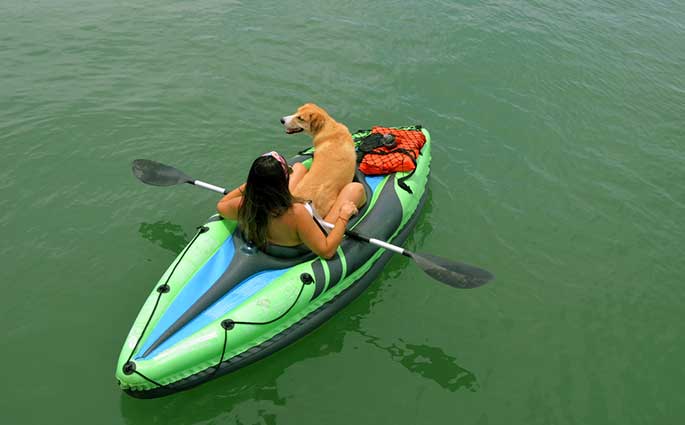
Key Takeaways:
- Preparation is Key: Ensure both you and your dog are ready for the adventure.
- Safety First: Always use a well-fitting life jacket for your dog.
- Training: Gradual training and desensitization to the kayak are essential.
- Hydration and Rest: Keep your dog hydrated and take regular breaks.
- Know the Risks: Understand water safety and your dog’s emotional state.
- Consult a Vet: Before hitting the water, consult with your vet to ensure your dog is physically prepared.
Many dog owners love the idea of bringing their dog along for a kayaking adventure, but how do you make sure it’s a safe and enjoyable experience for both you and your furry friend? The thought of your dog splashing in the water and enjoying the outdoors sounds wonderful, but safety and preparation are key. With the right precautions, kayaking with your dog can be a rewarding bonding experience that both of you will treasure. Here’s how to make sure it’s a fun and safe outing for everyone.
What Should You Consider Before Kayaking with Your Dog?
Before you set off on your kayaking journey, consider these important factors:
1. Your Dog’s Age and Health
- Why it matters: Older dogs or those with health concerns might struggle with the physical demands of kayaking. If your dog has joint issues or is prone to anxiety, a kayak outing may be stressful for them.
- What you should do: Consult your vet before taking your dog on the water. Ensure that your dog is physically capable of handling the kayak and the outdoor environment.
2. The Type of Kayak
- Why it matters: Not all kayaks are suitable for pets. A kayak with enough space and stability will make the experience more comfortable for both you and your dog.
- What you should do: Consider a tandem kayak if your dog is larger, or a kayak with a stable, wide base to prevent tipping.
3. Location and Water Conditions
- Why it matters: Calm, shallow waters are ideal for kayaking with your dog. Avoid areas with strong currents or high waves that could create a dangerous situation for both of you.
- What you should do: Choose a safe location with easy access to shore, ideally where there are few boats and no heavy traffic on the water.
How Do You Train Your Dog for Kayaking?
Proper training is essential to ensure your dog feels comfortable and safe in the kayak.
1. Start with Basic Boat Desensitization
- Why it matters: If your dog has never been on a boat, it can be intimidating. Desensitizing them to the movement of the kayak before your trip will reduce stress.
- What you should do: Begin by introducing your dog to the kayak on dry land. Let them explore it and reward them with treats. Gradually, move the kayak to the water for brief periods, allowing your dog to adjust to the motion.
2. Practice Getting In and Out of the Kayak
- Why it matters: It’s important that your dog knows how to safely enter and exit the kayak. This will make the trip smoother and reduce panic if your dog gets nervous.
- What you should do: Practice with your dog at the shore, getting in and out of the kayak several times. Reward calm behavior and use treats to make the experience positive.
3. Use Positive Reinforcement
- Why it matters: Positive reinforcement will encourage your dog to associate kayaking with rewards and fun.
- What you should do: Reward your dog with praise and treats every time they stay calm in the kayak or follow commands.
What Safety Measures Should You Take When Kayaking with Your Dog?
Safety is the top priority when kayaking with your dog. Here are the essential measures to keep in mind:
1. Life Jacket for Your Dog
- Why it matters: Even if your dog is a strong swimmer, unexpected situations can occur, and having a life jacket ensures their safety if they fall overboard.
- What you should do: Choose a dog life jacket that fits snugly and has a handle on top. The handle allows you to quickly grab your dog if needed.
Warning: Never kayak without a life jacket on your dog, even if they are an experienced swimmer. The water can be unpredictable, and a life jacket can save your dog’s life in case of an emergency.
2. Leash and Harness
- Why it matters: A leash will help you maintain control over your dog, while a harness provides more comfort and security for them during the trip.
- What you should do: Use a dog harness instead of a collar, as it distributes pressure more evenly across your dog’s body.
3. First-Aid Kit
- Why it matters: In case of injury or other emergencies, having a first-aid kit on hand is essential.
- What you should do: Include bandages, antiseptic wipes, and dog-friendly medications. Also, be sure to have a phone with emergency contact numbers for quick assistance if needed.
How Do You Keep Your Dog Comfortable During the Kayak Trip?
1. Hydration
- Why it matters: Just like humans, dogs can become dehydrated, especially on a hot day.
- What you should do: Bring water and a portable dog bowl. Offer your dog water regularly during breaks to keep them hydrated.
2. Rest Breaks
- Why it matters: Kayaking can be physically tiring for dogs, especially if they are not used to it.
- What you should do: Plan for frequent stops at the shore so your dog can stretch their legs and rest. Be mindful of their comfort level and don’t push them too hard.
3. Comfortable Riding Position
- Why it matters: A secure and comfortable position will help your dog stay calm and relaxed during the trip.
- What you should do: Create a designated space for your dog to sit or lie down, ensuring they are stable and not slipping around.
What Are the Common Risks of Kayaking with a Dog?
1. Anxiety and Stress
- Why it matters: Some dogs may become anxious in new situations or when out on the water.
- What you should do: Recognize signs of stress such as whining, shaking, or panting. If your dog shows signs of distress, consider returning to shore and re-evaluating whether kayaking is a good activity for them.
2. Overheating
- Why it matters: Dogs can overheat quickly in the sun, especially on hot days.
- What you should do: Keep your dog cool with regular breaks, water, and shade. If your dog shows signs of overheating, such as excessive panting, stop and cool them down immediately.
Warning: If your dog is showing signs of distress or overheating, stop immediately and get them to a shaded area with fresh water.
Conclusion:
Kayaking with your dog can be a fun, enriching experience for both of you. By taking the right safety precautions, preparing your dog with proper training, and respecting their comfort and limitations, you can ensure a safe and enjoyable adventure. Always prioritize your dog’s well-being and consult with your vet to ensure that they are physically and emotionally ready for this outdoor activity.
Call to Expert Consultation
Before taking your dog out on the water, especially if they have health concerns or are new to kayaking, it’s always a good idea to consult with your vet. They can offer guidance on whether your dog is physically prepared for kayaking and provide recommendations for specific health considerations.
FAQs:
Do I need to get a life jacket for my dog?
Yes, a life jacket is essential for your dog’s safety, even if they are an experienced swimmer.
How can I tell if my dog is enjoying kayaking?
Signs of enjoyment include relaxed body language, wagging tails, and calm behavior. If your dog seems stressed, anxious, or uncomfortable, it’s best to return to shore.
Can all dogs go kayaking?
Not all dogs are suited for kayaking. Consider your dog’s temperament, age, and health before embarking on a kayaking adventure.
How do I train my dog for kayaking?
Start by introducing your dog to the kayak on dry land, then practice getting in and out of the kayak. Gradually transition to the water for short sessions.
How do I keep my dog comfortable during the trip?
Ensure your dog has a secure, stable position in the kayak and take regular rest breaks. Bring water to keep them hydrated.
What should I do if my dog falls into the water?
Stay calm, grab the handle of your dog’s life jacket, and help them back into the kayak as quickly and safely as possible.
Is it safe to kayak with my puppy?
It’s generally best to wait until your puppy is older and more physically developed before taking them on a kayaking trip. Consult with your vet for the best time.
How can I prevent my dog from getting anxious on the kayak?
Introduce them to the kayak slowly, use positive reinforcement, and avoid long trips until they are comfortable with the water.


