How to Choose the Best Crate for Your Dog
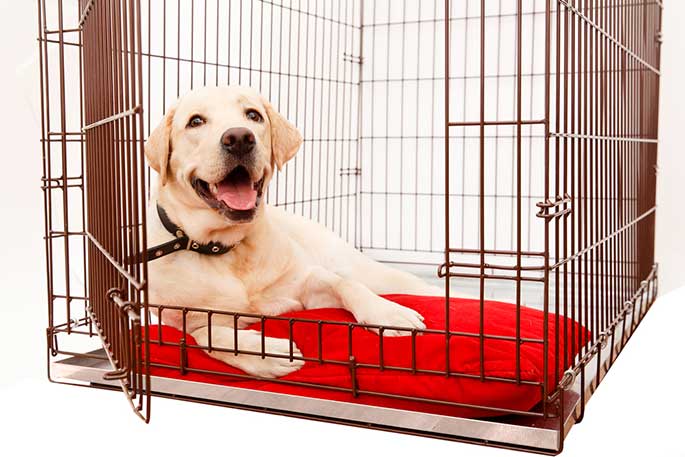
Picking out a crate for your dog is a big step for their comfort and safety. No matter if you’re new to having a dog or have had pets for years, the right crate can really help your dog feel at home. In this guide, I’ll cover what to look for in a crate, how to measure your dog, and some tips for crate training. By the end, you’ll know what kind of crate will work best for your dog and how to make it a positive space.
Crate Size and Fit
Why Crate Size Matters
Getting the right size crate really matters for your dog’s comfort. If the crate is too small, your dog won’t have enough room to relax. If it’s too big, your dog might use part of it as a bathroom. The right fit gives your dog a cozy spot to rest and helps with training, too.
Measuring Your Dog for the Perfect Fit
To pick the right size, measure your dog’s height and length. The crate should be big enough for your dog to stand up and turn around without trouble. Here’s how to measure:
- Height: Measure from the ground to the top of your dog’s head while they are standing.
- Length: Measure from the tip of their nose to the base of their tail.
- Extra Space: Add a few inches to both height and length for extra comfort.
Crate Size Guide by Breed
Different breeds require different crate sizes. Here’s a quick guide:
- Small Breeds (e.g., Beagle, Dachshund): 24–30 inches
- Medium Breeds (e.g., Cocker Spaniel, Border Collie): 30–36 inches
- Large Breeds (e.g., Labrador Retriever, Golden Retriever): 36–42 inches
- Extra-Large Breeds (e.g., Great Dane, Mastiff): 42–48 inches
Using Dividers for Growing Puppies
If you’re bringing home a puppy, look for a crate with a divider. You can make the space smaller at first and adjust it as your puppy grows. This helps with house training, since most dogs won’t go to the bathroom where they sleep if the space isn’t too big.
Transitioning from Puppy to Adult Crate
As your puppy gets bigger, you might need to move up to a larger crate. Try to pick a crate that will fit your dog when they’re fully grown, so you don’t have to keep buying new ones.
Should the Crate Be Just Big Enough or Slightly Roomy?
It might seem like a bigger crate is better, but it’s usually best to stick with one that’s just big enough for your dog to stand up, turn around, and lie down. If there’s too much space, your dog might start using one end as a bathroom, which can make training harder.
How to Pick Size for Specific Breeds
The breed size guide is a good starting point, but every dog is a little different. Be sure to measure your own dog to make sure the crate will fit them just right.
Crate Types and Materials
Comparing Crate Materials
Dog crates come in four main types: wire, plastic, wood, and soft-sided. Each one has its own pros and cons, so think about what works best for your dog and your daily routine.
- Wire Crates: Durable, breathable, and easy to clean. Great for dogs who need ventilation and visibility. However, they can be bulky and not as aesthetically pleasing.
- Plastic Crates: More enclosed, offering a sense of security. Ideal for travel and airline-approved, but they don’t provide as much ventilation as wire crates.
- Wood Crates: Often designed to look like furniture, wood crates are attractive and functional but can be more expensive and harder to clean.
- Soft-Sided Crates: Lightweight, portable, and great for travel, but not ideal for dogs who like to chew or those prone to anxiety.
Best Crate Types for Puppies, Chewers, and Travelers
- Puppies: Opt for a wire crate with a divider so you can adjust the space as they grow.
- Chewers: Choose a sturdy metal crate with a strong locking mechanism to prevent escapes.
- Travelers: Soft-sided crates or plastic crates are often the best choice for car rides or flights.
Heavy-Duty and Furniture-Style Crates
- Heavy-Duty Crates: These are designed for dogs who are escape artists or aggressive chewers. They’re made of thick metal bars and can withstand heavy use.
- Furniture-Style Crates: These are ideal for homeowners who want a crate that doubles as furniture. They’re typically made of wood and look stylish in your home but can be pricier.
Considerations for Cleaning, Safety, and Portability
- Cleaning: Wire crates are usually the easiest to keep clean. Plastic ones take a bit more work to wipe down, and wood crates can be tough to clean and might hold onto smells.
- Safety: Make sure the crate has strong latches and no sharp edges. It should be sturdy enough that it won’t tip over if your dog moves around inside.
- Portability: Soft-sided crates are easy to move around, but if you want something sturdier for trips, a plastic or wire crate might be better.
Crate Training and Usage
Practical Crate Training Tips
Crate training takes time, but with patience and sticking to a routine, your dog can get comfortable with their crate. Here are a few tips to help:
- Start Slowly: Introduce your dog to the crate gradually. Place treats, toys, or their favorite blanket inside to make it inviting.
- Positive Reinforcement: Praise and reward your dog for entering the crate on their own. Never force them in, as this could create negative associations.
- Short Sessions: Begin with short crate sessions and gradually increase the duration.
Where to Place the Crate in Your Home
Put the crate somewhere quiet so your dog feels safe. Try not to put it in a busy or loud spot. If your dog is just getting used to the crate, keeping it near where you hang out, like the living room, can help them settle in.
How Long Can a Dog Be in a Crate?
- Puppies: Puppies should not be crated for more than 2-3 hours at a time. They need frequent bathroom breaks and playtime.
- Adults: Adult dogs can be crated for longer periods, but it’s best to limit crate time to about 6-8 hours per day, with plenty of exercise and bathroom breaks.
Are Dog Crates Cruel or Beneficial?
Crates aren’t cruel if you use them the right way. They give your dog a safe spot to call their own and are really helpful for training. A crate can help with house training, stop destructive habits, and give your dog a place to relax.
Items to Include Inside the Crate
Make the crate cozy with soft bedding, safe chew toys, and maybe a favorite blanket. It’s best not to put food or water in the crate, since that can get messy.
The Importance of Positive Space Association
Try to make sure your dog always has good experiences with the crate. Don’t use it for punishment. Instead, make it a calm, peaceful spot where your dog can relax.
Conclusion: Key Takeaways
- Size matters: Measure your dog properly and choose a crate that allows them to stand, turn around, and lie down comfortably.
- Choose the right material: Consider your dog’s lifestyle (e.g., travel, chewing habits) when selecting between wire, plastic, wood, or soft-sided crates.
- Training is essential: Introduce the crate slowly, use positive reinforcement, and ensure your dog associates the crate with safety and comfort.
- Be mindful of usage: Keep crate time limited, and always include comfort items to make it a positive space for your dog.
If you follow these steps, your dog’s crate can be a safe, comfortable place they’ll enjoy for years.


