What to Do When Your Dog is Coughing Up Blood

If your dog is coughing up blood, it’s important to treat this as an emergency and get veterinary care right away. This can be a sign of bleeding in the airways or lungs, a bleeding disorder, or another serious health problem. Even if you only see a small amount of blood, your dog should be checked by a vet the same day. If you notice a large amount of blood, trouble breathing, or your dog collapses, go to an emergency clinic immediately.
Read More: Ten ways to help treat kennel cough
Table of Contents
- What “coughing blood” means
- Why Do Dogs Cough up Blood?
- How to Help Your Dog
- What’s The Best Time To Call The Vet?
- What Should You Do Before Visiting a Vet?
- How to Prevent Your Dog from Coughing Up Blood
- To Sum Up
- FAQ.
What “coughing blood” means
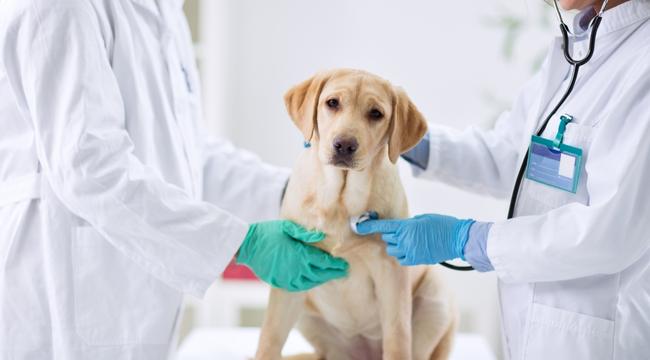
Coughing up blood is known as hemoptysis. This means the blood is coming from the airways or lungs, not from the stomach or intestines. Vomiting blood is called hematemesis, and blood from a nosebleed (epistaxis) can sometimes be swallowed and then coughed or vomited up later. Because these signs can look similar, veterinarians rely on your pet’s history, a physical exam, and sometimes tests to figure out where the bleeding is coming from.
What it can look like
- If you see bright red or frothy blood, it usually means the blood is coming from the lungs or airways, not the stomach.
- Vomit that looks like coffee grounds or stool that is black and tarry can be a sign that your dog is passing digested blood, either from the stomach or intestines, or from swallowing blood from a nosebleed.
- If your dog coughs up mucus with streaks of blood after a heavy cough, this can happen with airway problems. Even though it might not look dramatic, it is not normal and your dog should be checked by a veterinarian as soon as possible.
First steps: When to act now
Go to an emergency vet immediately if any of the following occur.
- Fast or labored breathing, blue or pale gums, collapse, or significant weakness.
- Large amounts of blood, repeated coughing of blood, or blood with obvious distress.
- Known or suspected ingestion of rat poison or any toxin that affects bleeding.
- Recent major trauma, foreign body exposure, or strenuous activity followed by distress.
If your dog seems stable and the bleeding is minor, it is still important to schedule a same-day veterinary exam. Catching the problem early can help prevent complications and give your dog the best chance for a good recovery.
While you are arranging care, keep your dog as calm and quiet as possible. Excitement can raise blood pressure and make bleeding worse. Do not give any over-the-counter medications, especially aspirin or other pain relievers, since these can interfere with blood clotting. If you think your dog may have eaten rat poison, bring the product name or a photo of the label to the vet, since treatment depends on the type of poison involved.
Why Do Dogs Cough up Blood?
There are many reasons why a dog might cough up blood, and sometimes more than one problem can be present at once. In a veterinary study of dogs with this symptom, the most common causes were lung infections, cancer, injuries, low platelet counts, heartworm disease, poisoning from rat bait, twisted lung lobes, heart failure, high blood pressure in the lungs, and pneumonia from inhaled objects. Knowing about these possibilities can help you feel more prepared when you visit the vet.
Respiratory infection and pneumonia
Bacterial infections in the lungs, called bronchopneumonia, can irritate and damage the airways, which sometimes leads to coughing up blood. Dogs with pneumonia may have a fever, seem tired, breathe quickly or with effort, and have unusual lung sounds when the vet listens. Chest X-rays usually help confirm the diagnosis.
Heartworm disease
Heartworms live in the pulmonary arteries and lungs, causing inflammation, vessel damage, and bleeding into the airways in advanced cases. Clinical signs can include cough, exercise intolerance, dyspnea (labored breathing), syncope (fainting), and sometimes hemoptysis. Heartworm infection is confirmed with antigen testing and staging, and treatment follows established protocols that also address inflammation and clot risk.
Pulmonary thromboembolism (blood clots in the lungs)
A blood clot in the lungs can cause sudden trouble breathing, fast breathing, weakness, collapse, and sometimes coughing up blood. Dogs are more likely to get these clots if they have certain health problems like immune diseases, severe inflammation, cancer, heartworm, or have had major surgery or trauma. Diagnosing a lung clot can be tricky and often needs special tests and imaging. Treatment usually includes oxygen, supportive care, and medicine to help prevent more clots if needed.
Bleeding disorders and rodenticide poisoning
Problems with blood clotting or low platelets can cause bleeding in the lungs or airways, which may lead to coughing up blood. Rat poisons that stop blood from clotting work by blocking vitamin K, which the body needs to make clotting factors. Dogs that have eaten these poisons may have pale gums, seem weak, cough or have trouble breathing, get nosebleeds, or have blood in their urine or stool. They need urgent veterinary care and treatment with vitamin K1.
Immune-mediated thrombocytopenia and other platelet problems
If a dog’s platelet count drops very low, small blood vessels can start to bleed, including in the lungs and airways. This can cause coughing up blood. Other signs include nosebleeds, bruising, tiny red spots on the skin, and weakness from blood loss. Treatment is aimed at fixing the underlying problem and helping the blood clot normally again.
Trauma, foreign bodies, and grass awns
Injuries to the chest or breathing in sharp objects can damage the airways or lungs, leading to coughing and sometimes blood. Grass seeds and other plant material can get stuck and cause serious inflammation or infection, which may also result in bleeding. Vets often use imaging or special scopes to find and remove these objects and decide on the right treatment.
Lung tumors
Lung tumors, whether they start in the lungs or spread from somewhere else, can bleed into the airways. This can cause a long-term cough and sometimes coughing up blood, especially as the disease gets worse. X-rays or other scans can show these tumors, and treatment may include surgery or cancer care depending on how advanced the problem is.
Heart disease and pulmonary hypertension
Some dogs with bleeding in the lungs were found to have heart failure or high blood pressure in the lungs. These conditions raise the pressure in the blood vessels of the lungs and can sometimes lead to bleeding into the airways.
Nosebleeds and swallowed blood
Nosebleeds are fairly common in dogs and can be caused by injury, infection, tumors, foreign objects, or problems with blood clotting. Sometimes, blood from the nose is swallowed and later coughed up or vomited. Signs to watch for include sneezing, nasal discharge, changes in the shape of the face, or visible bleeding from the nose. If blood is swallowed and digested, you might see black stool or vomit that looks like coffee grounds. Vets use special tools, imaging, and lab tests to find the cause and plan treatment.
How to Help Your Dog
If your dog is coughing up blood or vomiting blood, it is important to take action to help them. While a visit to the vet is usually necessary, there are some steps you can take at home to help your dog.
#1. The first step is to feed your dog a bland diet of chicken and rice. If a gastrointestinal problem is what’s causing the blood, this may be helpful. It is important to monitor your dog’s eating habits and make sure they are still drinking water.
#2. The second step is to allow your dog to rest in a warm area away from other pets. If a respiratory issue is the cause of the blood, this will allow your dog to relax and be comfortable.
It is important to note that any medications should only be given after consulting with your vet. You should also keep an eye on your dog for any other health problems and take it to the vet if it acts strangely or coughs up blood more than once.
What’s The Best Time To Call The Vet?
In some cases, it may be necessary to take your dog to the vet immediately. If your dog keeps coughing up blood or throwing up blood, has pale or blue gums, has trouble breathing, isn’t eating or drinking, or is very tired, these are all signs that he needs to see a vet right away.
When you take your dog to the vet, they will likely run blood tests and take x-rays or ultrasounds to determine the cause of the blood. They may also test for heartworms if your dog is not on heartworm prevention and lives in an area known for heartworm disease.
Once the cause of the blood is determined, your vet will be able to treat your dog. This may involve heartworm treatment, surgery, or medication to treat an infection.
It is important to understand that some of the issues causing your dog to cough up blood can be life-threatening. But most respiratory problems can be treated, and not all of them are bad news.
What Should You Do Before Visiting a Vet?
Make sure you take pictures of the blood your dog coughed up or vomited before you visit your vet. This can help your vet determine the cause of the blood. It is also important to keep your dog calm and not allow them to exhaust themselves by playing.
How to Prevent Your Dog from Coughing Up Blood
Once you have been able to identify the main reason your dog is coughing up blood with professional help, treatment and prevention become easier. However, if your dog has Hematemesis, prevention may not be possible if, for example, it is gastric cancer.
On the bright side, your veterinarian can arrange a healthy diet and exercise for your dog, which may significantly help with gastritis and ulcers.
For Pulmonary Vascular disease, a healthy diet and exercise can work miracles in preventing build-ups in the arteries of your dog. At the same time, you can prevent heartworms through proper medication.
On top of that, you can prevent your dog from getting infected by Tuberculosis by keeping it away from infected human or animal patients. Furthermore, to prevent the bacteria of TB from infecting your dog, don’t let your dog eat the carcass of dead animals that may be carrying the bacteria.
For the most part, living in a clean and natural environment, eating a healthy diet, and regular exercising can keep most diseases at bay.
To Sum Up
It is okay for your dog to cough sometimes, and a simple home remedy for colds can cure that. Even when your dog is coughing up blood and is already in treatment with the veterinarian, you can give them soothing, hot soups to drink.
However, be very mindful of what you feed it because you don’t want to worsen its condition. Above all, you must take permission from your veterinarian before feeding your dog anything new.
On the whole, never miss any health check-ups for your dog with the vet so that even if there is a disease infecting it, the doctor can figure it out sooner. In any case, we hope this article was helpful and informative.
FAQ.
My dog is coughing up blood but acting normal
If your dog is coughing up blood, even if they seem normal, call your vet immediately. This could be a sign of a serious health issue, like internal injuries or illness, that needs urgent medical attention. Don’t wait—get your dog checked as soon as possible.
My dog is coughing up blood and breathing hard
If your dog is coughing up blood and breathing hard, get emergency veterinary care immediately. This could be a sign of a serious condition like a respiratory infection, lung tumor, heart disease, or lung injury. Don’t wait—seek urgent medical attention to ensure your dog gets the care they need.
Can a dog throw up blood and be ok?
If your dog throws up blood but seems fine, don’t ignore it. Some mild cases may not cause immediate discomfort, but dogs often hide pain well. Blood in vomit can signal a serious health issue, so it’s best to contact your vet right away for a proper evaluation.
Dog coughing up blood home remedies
There are no home remedies for a dog coughing up blood. This is a serious medical issue that needs immediate veterinary care. Don’t wait—contact your vet or an emergency clinic right away to determine the cause and get the right treatment for your dog.