How Do You Know if Your Dog Food Is High Quality?
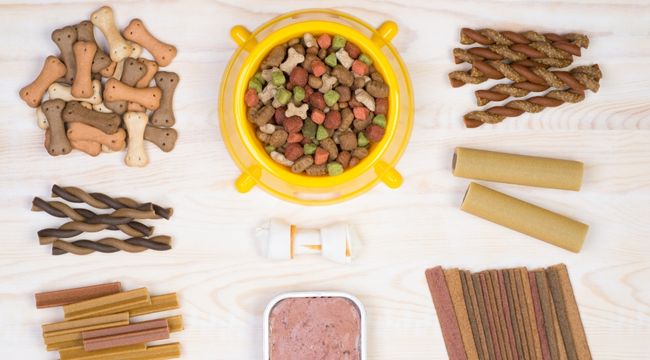
The pet food aisle can be overwhelming. There are bright bags, big promises, and words like premium, natural, and holistic on every shelf. But marketing does not mean good nutrition. I remind new dog owners of this all the time.
What you feed your dog affects everything: energy, digestion, coat, immune health, and even lifespan. High-quality dog food is not about trends or price. It comes down to balanced nutrition, good ingredients, and safety. Once you know what to look for, picking the right food is much easier.
This guide breaks it all down in plain language. No hype. No brand bias. Just practical, vet-backed advice you can use today.
Table of Contents
- What “High-Quality” Dog Food Really Means
- Start With the Label: Your Most Important Tool
- Understanding the Ingredient List (Without Overthinking It)
- Protein: Quality Over Buzzwords
- Fats: The Unsung Heroes of Dog Nutrition
- Carbohydrates: Not the Enemy
- Dry vs. Wet Food: Quality Exists in Both
- The Role of Manufacturing and Safety Standards
- Price, Premium Labels, and Common Myths
- How Your Dog Tells You the Food Is Working
- When to Talk to Your Veterinarian
- Conclusion
- Frequently Asked Questions (FAQs)
What “High-Quality” Dog Food Really Means
Nutrition Comes First, Not Marketing
High-quality dog food provides complete and balanced nutrition for your dog’s life stage. That means it supplies the right amounts of protein, fat, vitamins, minerals, and calories—nothing more, nothing less.
A food can look fancy but still be weak in nutrition. Simple packaging can hide great food if it meets science-based standards. What matters is what is inside the bag, not the label.
Dogs Need Consistency, Not Constant Switching
Dogs do best on a consistent, balanced diet. Switching foods often or following trends can upset their digestion and cause problems. A good food should be safe to feed every day, long-term, without extra supplements unless your vet says otherwise.
Start With the Label: Your Most Important Tool
The AAFCO Statement Is Non-Negotiable
Flip the bag over. Look for the AAFCO nutritional adequacy statement. AAFCO stands for the Association of American Feed Control Officials. This statement confirms the food meets established nutrient standards.
You want to see wording like:
- “Complete and balanced for adult maintenance”
- “Formulated to meet AAFCO nutrient profiles”
If it’s missing, walk away. Without this statement, there’s no guarantee the food meets basic nutritional needs.
“For All Life Stages” Isn’t Always Ideal
Foods labeled for all life stages have higher nutrient levels for growth. This works for puppies, but can give adult or senior dogs too many calories and minerals. It is usually better to pick a food made for your dog’s age.
Understanding the Ingredient List (Without Overthinking It)
Ingredients Are Listed by Weight
Ingredients appear in order of weight before cooking. Fresh meats contain lots of water, so they may appear first even if they contribute less protein after processing.
Do not focus only on the first ingredient. Check the whole ingredient list for a clear pattern.
What You Want to See
High-quality dog foods typically include:
- Named animal proteins (chicken, beef, salmon)
- Clearly identified meals (chicken meal, turkey meal)
- Whole-food carbohydrate sources (rice, oats, potatoes)
- Added vitamins and minerals
What You Should Question
Be cautious if you see:
- Vague terms like meat by-products without explanation
- Excessive fillers with little nutritional value
- Long lists of artificial colors or flavors
By-products are not always bad. What matters is clear labeling. Good foods tell you exactly what the ingredient is, not just a vague term.
Protein: Quality Over Buzzwords
Dogs Need Animal-Based Protein
Protein supports muscle, immune function, skin, and enzymes. Dogs digest animal proteins more efficiently than plant proteins.
Look for:
- Named animal sources
- Balanced protein levels appropriate for life stage
More Protein Isn’t Always Better
Most dogs do not need very high protein diets. Too much protein can be a problem for dogs with kidney or liver issues. Balance is more important than extremes.
If a label advertises ultra-high protein, ask why. Does your dog really need it?
Fats: The Unsung Heroes of Dog Nutrition
Healthy Fats Support Skin, Brain, and Energy
Fats provide energy and help absorb vitamins. Good dog foods include:
- Animal fats (chicken fat)
- Fish oil or flaxseed for omega-3s
Watch for Named Fat Sources
If you see ‘animal fat’ without a source, be cautious. Good foods name the source of fat. This helps with quality and safety.
Carbohydrates: Not the Enemy
Dogs Can Digest Carbs Just Fine
Despite popular myths, dogs are not strict carnivores. They can digest carbohydrates and use them for energy.
Quality carb sources include:
- Rice
- Oats
- Barley
- Sweet potatoes
It’s About Balance, Not Elimination
Carbohydrates should not be the main ingredient, but you do not need to avoid them. Grain-free foods are not always healthier. In some cases, they can be riskier.
Dry vs. Wet Food: Quality Exists in Both
Dry Food (Kibble)
Pros:
- Convenient
- Cost-effective
- Helps reduce dental plaque
Cons:
- Lower moisture content
- Quality varies widely
Good kibble lists its ingredients clearly, is not over-processed, and has an AAFCO statement.
Wet Food (Canned or Pouched)
Pros:
- Higher moisture (great for hydration)
- Often more palatable
Cons:
- Higher cost
- Spoils quickly once opened
Wet food can be just as complete as dry food. Many dogs do well with a mix of both types.
The Role of Manufacturing and Safety Standards
Where and How the Food Is Made Matters
High-quality dog foods are produced in facilities with strong quality control. Look for statements about:
- In-house manufacturing
- Quality testing
- Compliance with safety standards
Clear information about where and how food is made is a good sign. If the company is vague about sourcing, be cautious.
Recalls Aren’t Always a Deal-Breaker
Even good companies sometimes have recalls. What matters is how they handle it. Look for clear communication and steps to fix the problem.
Price, Premium Labels, and Common Myths
Expensive Doesn’t Always Mean Better
Some expensive foods spend more on marketing than on nutrition. Many mid-priced foods meet all the important standards.
Judge food by:
- Nutritional adequacy
- Ingredient clarity
- Safety practices
Do not judge by buzzwords.
“Natural” and “Holistic” Are Marketing Terms
These words do not have a strict legal meaning in pet food. They may sound good, but they do not guarantee quality. Always check the label and nutrition facts.
How Your Dog Tells You the Food Is Working
Physical Signs of Good Nutrition
High-quality dog food supports:
- Steady energy
- Firm, regular stools
- Shiny coat
- Healthy weight
- Clear eyes
Warning Signs Something Isn’t Right
Watch for:
- Chronic diarrhea
- Excessive itching
- Dull coat
- Frequent gas
- Weight gain or loss
If you notice these signs, the food may not be right for your dog, even if the label looks good.
When to Talk to Your Veterinarian
Special Needs Require Expert Input
Puppies, seniors, and dogs with medical conditions need tailored nutrition. A vet can help you choose foods that support:
- Growth
- Joint health
- Kidney or heart function
- Weight management
Online advice can help, but you need a vet’s guidance when your dog has health needs.
Conclusion
High-quality dog food is not about trends or flashy claims. It is about science, balance, and clear information.
Remember:
- Always check for an AAFCO statement
- Read the full ingredient list, not just the first line
- Look for named protein and fat sources
- Match food to your dog’s life stage
- Monitor how your dog responds
When you are not sure, choose simple and consistent food. Your dog does not need perfection, just reliable, balanced nutrition every day.
Frequently Asked Questions (FAQs)
How can I tell if my dog food is truly high quality?
Check for an AAFCO nutritional adequacy statement, clearly named ingredients, and appropriate protein and fat levels. High-quality food supports steady energy, good digestion, and healthy skin. Avoid judging food based on marketing terms alone.
Is grain-free dog food better for dogs?
Not necessarily. Most dogs digest grains well, and grain-free diets are not proven to be healthier. In some cases, grain-free foods may be linked to heart issues. Choose food based on nutrition, not trends.
Should the first ingredient always be meat?
It helps, but it’s not the whole story. Ingredients are listed by weight before cooking. Focus on overall protein quality and balance, not just the first ingredient on the label.
Is wet food healthier than dry food?
Both can be high quality. Wet food offers more moisture, while dry food is convenient and supports dental health. The best choice depends on your dog’s needs and preferences, not the format.
Are by-products bad in dog food?
Not always. Some by-products are nutritious. The issue is transparency. High-quality foods clearly define ingredients rather than using vague terms that hide quality and sourcing.
How often should I change my dog’s food?
Avoid frequent changes. Dogs do best on consistent diets. Switch foods only when needed for health, life stage, or tolerance—and do so gradually over 7–10 days.
Does expensive dog food mean better quality?
No. Price reflects marketing and branding as much as nutrition. Many affordable foods meet all nutritional standards. Always judge food by its label, formulation, and how your dog responds.
When should I consult a veterinarian about dog food?
Always consult your vet for puppies, seniors, or dogs with medical conditions. A veterinarian can help select food that supports specific health needs and prevents long-term problems.


