What Is Clicker Training for Dogs?
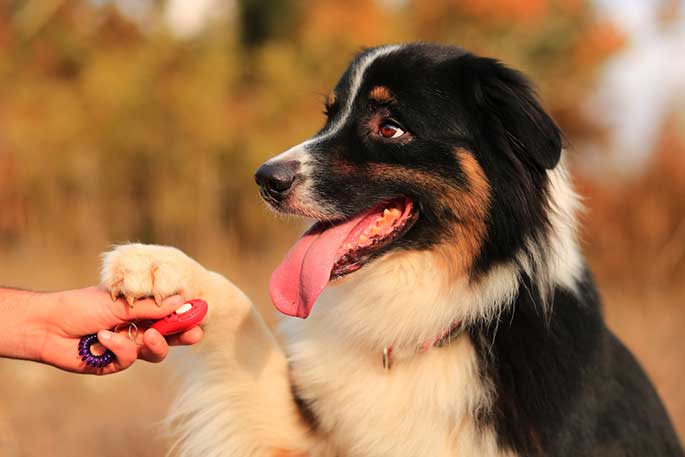
If you’ve ever heard a “click, click” sound while watching dog training videos, you’ve likely encountered clicker training. But what exactly is clicker training for dogs, and how can it benefit you and your furry friend?
Clicker training is one of the most effective, humane methods of teaching your dog new behaviors. It’s not only fun but also strengthens the bond between you and your dog, providing a positive learning environment. Whether you’re teaching basic commands like “sit” and “stay,” or working on more complex tricks, this method has proven to be both rewarding and enjoyable.
In this article, we’ll walk you through what clicker training is, how it works, and why it might be the right fit for your dog. We’ll also share practical tips to get started and answer some common questions.
Key Takeaways
- Clear communication: The clicker offers clear and immediate feedback for your dog, making learning faster and easier.
- Positive reinforcement: Focuses on rewarding desired behaviors, which is kinder and more effective than punishment-based methods.
- Strengthens bond: Helps develop trust and mutual respect between you and your dog.
- Improves obedience: Studies show that clicker training can lead to faster learning and longer retention of commands.
- Versatile: Can be used for training a wide range of behaviors, from basic to advanced skills.
- Fun for both of you: Training becomes a game, making it an enjoyable activity for you and your dog.
1. What Is Clicker Training for Dogs?
At its core, clicker training is a form of positive reinforcement. It involves using a small device—called a clicker—that makes a distinct sound when pressed. This “click” marks the exact moment your dog performs a desired behavior, such as sitting on command or picking up a toy.
The clicker itself doesn’t teach the dog anything on its own. Instead, it serves as a signal that tells your dog, “That was the right thing!” This is followed by a reward, typically a treat or praise, reinforcing the behavior. Over time, your dog learns to associate the click with something positive.
What makes clicker training so effective is its immediacy. Dogs have short attention spans, so the faster they get feedback, the more clearly they understand what’s expected of them. (No more waiting around for delayed praise!)
How It Works
Here’s the simple formula:
- Trigger the desired behavior. You ask your dog to perform something—like sitting.
- Click when they do it. As soon as they sit, you click the clicker.
- Reward them. Immediately follow up the click with a treat or praise.
2. Clear Communication with Your Dog
One of the biggest benefits of clicker training is how clear it makes your communication with your dog. You might have noticed that dogs can’t always read your body language perfectly, and it can be difficult for them to understand exactly what you want them to do. But with the clicker, there’s no guesswork.
The sound of the clicker provides immediate, precise feedback. Think of it as a mini “yes!” that confirms your dog did something right, and they’ll learn to associate that sound with positive results.
Studies show that animals trained with clickers respond faster and retain learned behaviors longer than those trained with verbal commands alone. In fact, research suggests that clicker training can lead to faster behavior acquisition compared to other traditional training methods (like leash-pulling correction or verbal cues).
Pro Tip:
You might wonder, “What if my dog doesn’t respond to the clicker?” Start by getting your dog familiar with the sound and pairing it with tasty rewards. Once your dog associates the sound with a treat, you’ll notice them becoming more eager to listen when they hear the click.
3. Positive Reinforcement, Not Punishment
Clicker training is based on positive reinforcement, a technique proven to be both kinder and more effective than punishment. Rather than focusing on what your dog shouldn’t do (which can be confusing and frustrating for them), you focus on rewarding what they should do. This helps build a more trusting relationship between you and your dog.
Punishment-based methods, like yelling or using shock collars, might seem effective in the short term, but they can create fear, anxiety, and confusion for your dog. On the other hand, clicker training helps dogs focus on performing desired behaviors because they know it will be followed by something rewarding.
Why It’s Better
Clicker training encourages your dog to repeat the good behavior because they enjoy the reward process, not because they’re trying to avoid something unpleasant. This leads to a more positive and confident dog.
4. Strengthening Your Bond
Training should always be a bonding experience between you and your dog. Clicker training takes this a step further by making the process interactive and fun. As your dog learns, they will see you as the source of positive experiences, which deepens your mutual trust.
Plus, the process is engaging for you both. Since the rewards and feedback come in quick succession, training sessions often feel more like a game rather than a chore. (And who doesn’t love a good game?)
Real-Life Example:
Imagine your dog is learning to “sit” on command. Every time they sit, they hear the click and get a treat. Over time, they will associate you with the fun of getting treats, and they’ll be excited to listen to your commands, making training smoother and more enjoyable.
5. Proven to Improve Obedience
Whether you’re training a puppy or an adult dog, clicker training is one of the best ways to improve obedience. The clear feedback and consistent rewards help dogs learn new commands more quickly and retain them longer.
Research shows that clicker-trained dogs can learn complex tasks more easily. For example, one study found that clicker-trained dogs could learn a new trick in just one-sixth of the time compared to dogs trained with traditional methods.
Keep in Mind
While this method is effective, it does require patience. Your dog will need time to fully understand the link between the click and the reward. However, with regular practice, you’ll both see great results.
6. Versatile for Any Dog, Any Age
Clicker training isn’t just for young puppies or highly trained dogs. It’s versatile and works for dogs of all ages and skill levels. Whether you’re housebreaking a young dog or trying to curb undesirable habits in an older one, the principles of clicker training remain the same.
Older dogs, in particular, may benefit from clicker training because it engages their mind and helps them stay sharp. It’s also a fantastic way to retrain older dogs with bad habits. The key is consistency and patience. You might not see instant results, but stick with it, and your dog will learn.
Getting Started with Clicker Training: Practical Tips
Now that you know the benefits, let’s dive into how you can start using clicker training with your dog:
- Get a Clicker. You can find dog clickers at pet stores or online for just a few dollars. You don’t need anything fancy—just a simple clicker will do.
- Choose a Reward. Dogs love treats, but make sure they’re something special that your dog will really work for (like tiny pieces of chicken or cheese). You can also use praise or toys if your dog is more motivated by playtime.
- Keep Training Sessions Short. Dogs learn best when training sessions are brief and fun. Aim for 5-10 minute sessions a few times a day.
- Start Simple. Begin with basic commands like “sit” or “stay.” As your dog becomes familiar with the clicker, you can move on to more complex tasks.
- Stay Consistent. The key to success is consistency. Make sure you click immediately after your dog performs the desired behavior and reward them right away.
FAQs
Can clicker training work for all dog breeds?
Yes, clicker training works for dogs of all breeds and ages. The key is to adjust your approach to your dog’s personality and learning pace.
How long does it take to see results?
The time it takes to see results can vary, but with consistency, most dogs will start learning new behaviors within a few days to a couple of weeks.
Do I need a special clicker for training?
No, you don’t need anything fancy. A basic handheld clicker will work just fine, but there are also clickers with adjustable sound levels if you need something quieter.
Can clicker training help with problem behaviors?
Yes, clicker training can help modify undesirable behaviors like jumping or excessive barking by rewarding the behaviors you want to see instead.
Is clicker training safe for puppies?
Absolutely! Clicker training is safe for puppies, and it’s a great way to get them started on the right track with positive reinforcement.
Can I use clicker training for more advanced tricks?
Yes! Clicker training is effective for both basic commands and more complex tricks, like rolling over, playing dead, or fetching specific items.
What if my dog isn’t responding to the clicker?
If your dog isn’t responding, try pairing the clicker with even higher-value treats or ensuring you’re clicking at the right moment to reinforce the behavior.
Final Thoughts
Clicker training is a fun, rewarding, and highly effective way to train your dog. It offers clear communication, builds trust, and strengthens your bond—all while promoting positive behavior. Whether you’re starting with a puppy or working with an older dog, clicker training can make a significant difference in how they learn and respond. So grab a clicker, get some tasty treats, and enjoy the journey with your dog!


