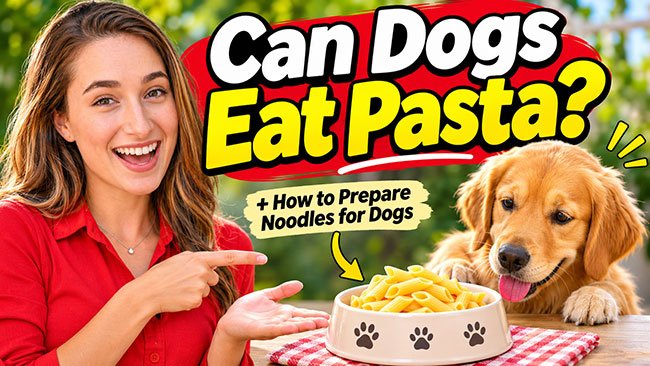
Can Dogs Eat Pasta? How to Prepare Noodles for Dogs
Key Takeaways
- Plain, fully cooked pasta is generally safe for many healthy dogs in small, occasional amounts.
- Sauces and seasonings are the bigger concern. Onion, garlic, heavy salt, and rich fats can turn a harmless noodle into a problem.
- Pasta provides mostly carbohydrate energy. It is not a necessary food, and a complete dog food already covers your dog’s nutritional needs.
- Treats and extras of all kinds should generally stay under 10% of daily calories, so pasta should be a small part of that allowance.
- Prepare noodles by boiling them in plain water until soft, cooling them, cutting them into bite-size pieces, and serving a small first portion.
- Dogs with diabetes, obesity, pancreatitis, food allergies, or prescription diets need your veterinarian’s guidance first.
- Contact a veterinarian or animal poison-control service if your dog eats pasta with onion or garlic. Seek urgent care for repeated vomiting, collapse, or severe pain.
Can Dogs Eat Pasta?
Your dog is watching every forkful of spaghetti travel from plate to mouth, and it’s understandable to wonder whether you can share a few noodles. For many healthy dogs, the answer is yes. Can dogs eat pasta? Plain, fully cooked pasta is generally safe in small, occasional amounts.
The pasta itself is rarely the issue. What you add to it matters more. A few plain noodles are very different from a serving of garlic-heavy marinara or buttery Alfredo. This guide covers the nutrition pasta does and doesn’t offer, how to prepare noodles safely, how much is reasonable, and what to do if your dog eats the wrong kind.
Can Dogs Eat Pasta Safely?
Plain, fully cooked pasta is generally tolerated by many healthy dogs. Pasta is made from flour and water, sometimes with eggs, and none of these ingredients is toxic to dogs on its own.
The risk usually comes from the extras. Onion, garlic, large amounts of salt, butter, and heavy cream sauces change the picture. When you decide whether a dish is suitable, look at everything on the plate rather than the noodles alone.
Safe to eat does not mean nutritious, and nutritious does not mean suitable for regular feeding. Pasta can be a harmless bite and still offer your dog little of real value. For example, a dog that gets two plain noodles dropped into its bowl once in a while is in a different situation from a dog that gets a spoonful of spaghetti with every family dinner.
Individual tolerance also varies. Some dogs digest pasta without trouble. Others get gas or loose stools, and dogs with conditions such as diabetes or pancreatitis may need to avoid it. If you’re unsure about your dog, start with the next section on nutrition and then check the section on dogs that need extra caution.
Is Pasta Good for Dogs?
Pasta is mostly carbohydrate, which gives dogs energy, but it is not a necessary part of a dog’s diet. Dogs that eat a complete and balanced commercial diet already get the nutrients they need, so extra pasta adds calories without filling a nutritional gap.
Here is what common pasta contains:
- Carbohydrates: Starch is the main component. Dogs can digest cooked starch and use it for energy.
- Calories: Cooked pasta is calorie-dense for its size, which matters for small dogs and dogs prone to weight gain.
- Protein and other nutrients: Pasta contains small amounts of protein and some B vitamins and minerals. Egg noodles add a little more protein than plain wheat pasta.
- Fiber: Refined white pasta has little fiber. Whole-wheat pasta has more, though that does not automatically make it a better choice for dogs.
Most of what pasta supplies, a quality dog food already provides in more useful proportions.
Does Pasta Offer Any Health Benefits for Dogs?
Pasta offers basic energy, and little beyond that. A dog that eats a few noodles gets a small amount of carbohydrate calories. That is not the same as a clinically meaningful health benefit.
Pasta is not a treatment for digestive upset, weight problems, or nutritional deficiencies. If your dog has any of these concerns, your veterinarian can recommend approaches with real evidence behind them. Treat pasta as a harmless extra and not as a health food.
What Types of Pasta and Noodles Can Dogs Eat?
Whether a noodle is suitable depends on its ingredients and how it is prepared. The shape or name matters much less. Here is a practical comparison.
| Pasta or Noodle Type | Can Dogs Eat It? | Important Considerations |
|---|---|---|
| Plain spaghetti | Generally yes, in small amounts when fully cooked | Cut long strands into short pieces so they are easier to chew and swallow. |
| Macaroni | Generally yes, when plain and fully cooked | Small shapes are easy to portion, but boxed macaroni and cheese is a different food. |
| Penne and other standard shapes | Generally yes, when plain and fully cooked | Large or tube-shaped pasta may need cutting for small dogs. |
| Egg noodles | Generally yes, when plain and fully cooked | Contain egg, which matters for dogs with a diagnosed egg allergy. |
| Whole-wheat pasta | Generally yes, in small amounts | Higher in fiber, which can cause gas in some dogs. Not automatically better. |
| Rice noodles | Generally yes, when plain and fully cooked | Check the label for added seasonings or sauces. |
| Gluten-free pasta | Depends on the ingredients | Not automatically healthier or safer. Check for added ingredients and calorie content. |
| Instant noodles and ramen | Not recommended as prepared | Seasoning packets are high in sodium and may contain onion or garlic. |
A few notes on this table. Wheat allergy and egg allergy exist in dogs, but they are not common in every dog. If your dog has a diagnosed sensitivity, check the ingredient list before offering egg noodles or wheat pasta. Gluten-free pasta is made for people who avoid gluten, and dogs do not need it unless a veterinarian has a specific reason to recommend it.
How Should You Prepare Pasta and Noodles for Dogs?
Preparation decides whether pasta is a harmless extra or a digestive problem. Hard, undercooked pasta is difficult to chew and swallow. Hot noodles can burn a dog’s mouth. Seasonings and sauces introduce the ingredients that cause most of the trouble. A few simple steps in a normal home kitchen cover all of this.
What Is the Safest Way to Cook Pasta for Dogs?
- Choose plain pasta. Pick pasta made from simple ingredients and read the package for allergens or unusual additives. Skip flavored or stuffed pasta.
- Cook the pasta thoroughly. Boil it in plain water until it is fully cooked and soft enough to chew comfortably. Never serve hard, dry, or undercooked noodles.
- Skip the seasonings. Do not add onion, garlic, salty seasoning packets, sauces, butter, or extra oil. Onion and garlic are toxic to dogs. Salt and fat are not toxic in the same way, but they can cause digestive upset and add unnecessary calories.
- Let the pasta cool. Allow it to reach a comfortable temperature before feeding it, so it does not burn your dog’s mouth.
- Cut noodles into manageable pieces. Cut long noodles and large shapes into smaller pieces that suit your dog’s size and chewing ability.
- Start with a small amount. Offer a small portion first and watch for vomiting, diarrhea, or other signs of intolerance over the next day or so.
- Serve only as an occasional extra. Pasta should not replace a balanced meal or become a major source of daily calories. A complete dog food stays the foundation of the diet.
If your dog handles the first small portion well, you can offer pasta now and then. Skipping the salt in the cooking water is a simple extra precaution, since dogs do not need it.
Can Dogs Eat Pasta With Sauce, Cheese, or Butter?
Pasta with sauce is where the real decisions happen, and the ingredients do not all carry the same level of risk. Some are toxic. Others mostly cause digestive upset or add too many calories. Here is how the common additions compare.
Tomato-based sauces. Ripe tomato flesh is generally not considered a major concern. Prepared sauces are the problem, since they often contain onion, garlic, salt, and sugar. A plain bite of tomato is very different from a jar of marinara, so check the label before sharing.
Garlic and onion sauces. These are toxic to dogs. Onion and garlic can damage red blood cells, and the risk applies to cooked, raw, and powdered forms. Keep these sauces away from your dog entirely.
Alfredo and cream-based sauces. These are high in fat. They are not toxic, but rich food can cause vomiting or diarrhea, and it can be a particular problem for dogs with a history of pancreatitis.
Butter and oil. Butter and oil are not toxic, but they add calories and fat with no benefit. A small amount is unlikely to harm a healthy dog. Larger amounts can upset the stomach.
Cheese and macaroni and cheese. Many dogs have trouble digesting lactose, and cheese sauces add fat and salt. Boxed and restaurant versions may also contain onion or garlic powder.
Pesto. Pesto often contains garlic, along with a lot of oil and sometimes salty cheese. The garlic makes it a poor choice.
Spicy pasta dishes. Chili and hot spices are not usually toxic, but they can irritate the stomach and cause vomiting or diarrhea. Spicy dishes also tend to contain onion or garlic.
The practical rule is simple. Offer plain noodles only, and keep your own sauced portion on your own plate.
What Are the Risks of Feeding Pasta to Dogs?
Most problems come from large portions, rich ingredients, or a dog’s individual sensitivities. Plain pasta in small amounts is unlikely to cause trouble for a healthy dog. These are the risks worth knowing.
Can Pasta Cause Digestive Problems in Dogs?
Yes, pasta can cause digestive problems in some dogs. Large portions, a sudden change in diet, or sensitivity to an ingredient may cause gas, vomiting, diarrhea, or abdominal discomfort. A dog that normally eats only its regular food may react to even a modest amount of something new. Introducing pasta in a tiny portion lets you see how your dog responds.
Can Eating Too Much Pasta Cause Weight Gain?
Yes. Pasta adds calories, and extra calories lead to weight gain when a dog already gets enough from its regular food. Small dogs are especially affected, since a few extra bites make up a larger share of their daily needs. Because the calories add up quietly, treat pasta as part of your dog’s total treat allowance and not as a free extra.
Can Dogs Be Allergic to Wheat or Other Pasta Ingredients?
Dogs can be allergic to wheat or egg, but food allergies are not common in every dog. A true food allergy involves the immune system. It often shows up as itchy skin, ear infections, or chronic digestive signs that return each time the food is eaten. Ordinary digestive upset after a big serving of pasta is a different thing, and it usually passes without further problems. If you suspect an allergy, your veterinarian can guide testing and a proper elimination diet.
Why Are Onion, Garlic, and Certain Pasta Seasonings Dangerous for Dogs?
Onion and garlic contain compounds that can damage a dog’s red blood cells. That can lead to a form of anemia, which means the blood carries less oxygen. Symptoms may not appear for a day or more after the dog eats them, so a dog that seems fine at first is not necessarily in the clear.
Salty seasoning packets, such as those in instant noodles, are a separate concern. They are mainly a risk because of high sodium, and many also contain onion or garlic powder. Not every seasoned dish is equally dangerous, but unknown seasonings are a reason to check with a professional.
Warning: Pasta Containing Onion or Garlic
Onion and garlic are toxic to dogs in cooked, powdered, and other forms. Signs of a problem include vomiting, weakness, pale gums, and unusual tiredness. These signs may be delayed, appearing a day or more after eating. If your dog may have eaten pasta with onion or garlic, contact your veterinarian or an animal poison-control service promptly, even if your dog looks normal.
Warning: Rich or High-Fat Pasta Dishes
Cream sauces, butter, and oily dishes can cause stomach upset, and fatty foods may be especially problematic for dogs with a history of pancreatitis. Signs include repeated vomiting, abdominal pain, lethargy, and loss of appetite. If your dog shows these signs after a rich meal, or has had pancreatitis before, call your veterinarian for an assessment the same day.
How Much Pasta Can a Dog Eat?
A dog can have a small amount of plain pasta as an occasional extra, and the right amount depends on the individual dog. Body weight, daily calorie needs, health, and the dog’s usual diet all play a role. A small dog needs far less than a large dog, and puppies need balanced growth nutrition to come first.
Veterinary nutrition guidance commonly says that treats and extras combined should generally make up no more than 10% of a dog’s daily calories. That figure is a ceiling for all treats and extras together. It is not a recommendation to feed 10% of daily calories as pasta. If your dog also eats training treats, chews, and table scraps, those count toward the same limit, leaving less room for noodles.
This article does not give exact tablespoon or gram amounts, because they would not fit every dog. As an illustration only, consider a small dog that already gets several training treats each day. A few noodles on top could easily push that dog past a healthy treat allowance, while a large, active dog might have more room. Your veterinarian can help you work out your dog’s daily calorie needs and a realistic treat budget.
Which Dogs Should Avoid Pasta or Have It Only With Veterinary Approval?
Some dogs need extra caution, but these conditions are not all automatic bans. Your veterinarian can tell you whether a small amount fits your dog’s situation.
- Dogs with diabetes: Pasta is a starchy food that raises blood sugar. Diabetic dogs rely on consistent meals and carefully managed carbohydrates, so extras should be cleared with your veterinarian.
- Overweight or obese dogs: Extra calories work against weight loss. Your veterinarian may suggest lower-calorie treats instead.
- Dogs with a history of pancreatitis: Pasta itself is low in fat, but pasta dishes often are not. Dogs prone to pancreatitis may react to fatty foods, so ask before offering anything beyond their regular diet.
- Dogs with diagnosed wheat or egg allergies: Wheat pasta and egg noodles contain the very ingredients that trigger the reaction.
- Dogs with sensitive digestive systems: Even a small amount of a new food may cause loose stools or gas.
- Dogs on prescription or therapeutic diets: These diets are designed for a medical purpose, and extras can interfere with that. Check before adding anything.
- Puppies: Puppies need balanced nutrition for growth. A few plain noodles are unlikely to harm them, but treats should not crowd out their complete puppy food.
What Should You Do If Your Dog Accidentally Eats Pasta?
What to do depends on the type and amount of pasta your dog ate. Do not induce vomiting, give medications, or try home remedies unless a veterinarian or poison-control professional tells you to.
A small amount of plain, fully cooked pasta. This is usually not a concern for a healthy dog. Watch your dog for the next day or so for vomiting, diarrhea, or unusual behavior. Most dogs need nothing more.
A large amount of plain pasta. A big serving may cause gas, soft stools, or an upset stomach. Offer fresh water, watch for symptoms, and call your veterinarian if vomiting or diarrhea continues or your dog seems uncomfortable. Small dogs and dogs with medical conditions deserve extra attention.
Pasta containing onion, garlic, or other potentially toxic ingredients. Contact your veterinarian or an animal poison-control service promptly, even if your dog seems fine. Tell them what your dog ate, roughly how much, and your dog’s weight. Have the sauce label or ingredient list ready if you can.
Rich, fatty, or heavily seasoned pasta dishes. Watch for repeated vomiting, belly pain, lethargy, or loss of appetite. Call your veterinarian if any of these appear, and call sooner if your dog has had pancreatitis.
Warning: Severe Symptoms After Eating Pasta
Repeated vomiting, severe abdominal pain, collapse, extreme weakness, breathing difficulty, or a swollen, distressed belly are emergency signs. They can have many causes, and a dog with any of them needs a veterinarian right away. Go to the nearest emergency veterinary clinic or call one on the way. Do not wait to see whether the symptoms pass.
Conclusion
So, can dogs eat pasta? For many healthy dogs, yes. Plain, fully cooked pasta is generally acceptable in small, occasional amounts. The key is to skip the onion, garlic, salty seasonings, and rich sauces, and to keep portions modest so the extra calories do not add up.
Pasta is not a substitute for complete dog food. It offers energy but little that your dog’s regular diet does not already provide. If you share a few plain noodles now and then, you are making a reasonable choice, as long as you prepare them simply and watch how your dog responds.
When Should You Ask Your Veterinarian About Feeding Pasta?
Your veterinarian is the best person to ask in several situations:
- Your dog has a diagnosed condition. Diabetes, pancreatitis, allergies, or another health issue can change what is safe. Ask whether any pasta fits and in what amount.
- Your dog eats a prescription diet. Extras may interfere with the diet’s purpose, so confirm before offering any.
- You are unsure about the ingredients. If a pasta dish contains a sauce, seasoning, or mix you cannot identify, check before feeding it.
- Your dog develops symptoms after eating pasta. Ongoing vomiting, diarrhea, itching, or lethargy deserves a call.
- You want to add homemade foods to your dog’s routine. A veterinarian or board-certified veterinary nutritionist can help you do this without unbalancing the diet.
FAQ.
Can dogs eat spaghetti noodles?
Yes, plain cooked spaghetti is generally fine for many healthy dogs in small, occasional amounts. Cut the strands into short pieces. Spaghetti served with sauce is different, because onion, garlic, salt, and fat in the sauce can cause problems. Offer the noodles only.
Can dogs eat pasta with tomato sauce?
It is best to avoid it. Plain tomato is not the main concern, but jarred and homemade sauces often contain onion, garlic, salt, and sugar. Onion and garlic are toxic to dogs. If your dog licks a little sauce, watch for symptoms and call your veterinarian if unsure.
Can dogs eat macaroni and cheese?
It is not recommended. Cheese sauce is high in fat and salt, and many dogs have trouble digesting dairy. Boxed and restaurant versions may also include onion or garlic powder. A single bite will not harm most dogs, but plain cooked macaroni is the better option.
Can dogs eat egg noodles?
Plain, fully cooked egg noodles are generally safe for many dogs in small amounts. They contain egg and wheat, so avoid them if your dog has a diagnosed allergy to either ingredient. Skip buttery or seasoned noodle dishes, since the added fat and salt cause most of the trouble.
Can puppies eat pasta?
Puppies may tolerate a few plain, cooked noodles, but pasta is not needed. Puppies require balanced nutrition for growth, and treats should not displace their puppy food. Their digestive systems can be sensitive, so offer only a tiny amount and ask your veterinarian first.
Can dogs eat uncooked or raw pasta?
No. Hard, dry pasta is difficult to chew and swallow, and it can be a choking or digestive hazard. It may also be hard on the stomach. Always cook pasta thoroughly until soft before offering it, and let it cool so it does not burn your dog.
Can dogs eat ramen or instant noodles?
Plain cooked noodles from ramen are not toxic, but prepared ramen is a poor choice. Seasoning packets are very high in sodium and may contain onion or garlic. If your dog eats seasoned ramen, call your veterinarian or a poison-control service for advice.
What happens if my dog eats too much pasta?
Too much plain pasta may cause gas, soft stool, vomiting, diarrhea, or belly discomfort. Offer water and watch your dog closely. Call your veterinarian if symptoms persist, worsen, or involve repeated vomiting. Seek urgent care for collapse, severe pain, or a swollen abdomen.