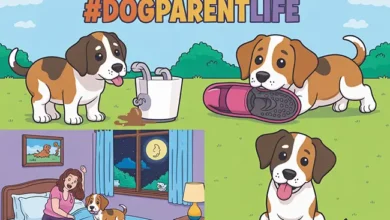
New Puppy at Home? Avoid First-Time Dog Owner Mistakes

Bringing home a puppy or rescue dog should be a joyful event, but it comes with responsibility. As a veterinarian, I see many new owners arrive excited but unprepared. A dog is not a weekend project—it’s a living creature that needs daily care, training and medical attention. The biggest mistake people make is thinking love alone is enough. This guide explains the common missteps behind that belief and offers simple steps to help you become a confident dog parent. By planning ahead and meeting your dog’s physical and emotional needs, you lay the foundation for a healthy, happy life together.
1. Skipping Preventive Care and Regular Vet Visits
Many first‑time owners only call the vet when their dog is sick. Routine wellness exams help catch problems early and let your veterinarian check weight, teeth and organ function. Puppies require a series of vaccinations, and adult dogs need boosters to stay protected. Waiting until illness appears can mean treatment is less effective. Preventive care also includes flea, tick and heartworm medications that protect against parasites; forgetting these drugs exposes your pet to diseases. Identification is another safety net—dogs without microchips are less likely to be reunited with their owners if they get lost. A microchip is a quick, painless procedure that can make all the difference.
Practical steps
- See your vet regularly: Schedule wellness exams once or twice a year and stay up to date on vaccinations.
- Use monthly parasite prevention: Talk with your vet about flea, tick and heartworm medications and give them on schedule.
- Microchip and tag: Make sure your dog wears a collar with current contact information and has a microchip.
- Watch for changes: Note shifts in appetite, bathroom habits or behavior so you can alert your vet early.
2. Mismanaging Nutrition and Feeding
Feeding your dog may seem straightforward, but diets change with age and lifestyle. Puppies need nutrient‑dense food, while adult and senior dogs require formulas tailored to their size and activity level. Leaving a bowl full all day—called free‑feeding—makes it hard to monitor intake and often leads to obesity. Overweight dogs are more likely to develop diabetes, joint disease and heart problems. High‑quality dog food provides the right balance of protein, fat and vitamins; table scraps and low‑quality kibble can cause stomach upset and encourage begging. Even small amounts of chocolate, onions, grapes or sugar‑free sweeteners can be toxic.
Practical steps
- Pick the right formula: Choose puppy, adult or senior food based on age and activity, and ask your vet for guidance.
- Control portions: Measure meals and avoid leaving food out all day.
- Restrict treats and scraps: Keep treats to less than 10 % of daily calories and skip greasy leftovers.
- Watch body condition: If you can’t feel your dog’s ribs, talk with your vet about weight management.
3. Neglecting Exercise and Mental Stimulation
A dog’s body and mind both need regular workouts. Without enough exercise, dogs can gain weight or channel their energy into barking, chewing or digging. High‑energy breeds may need about two hours of activity a day, medium‑energy dogs do well with one to two hours, and low‑energy dogs can get by with half an hour. Puppies and seniors benefit from shorter, more frequent sessions to avoid strain. Boredom is just as harmful. When a dog chews furniture or digs holes, they’re often looking for mental stimulation. Puzzle feeders, treat‑dispensing toys, scent games and varied walking routes satisfy their curiosity.
Practical steps
- Move every day: Plan walks and play sessions that match your dog’s energy level, mixing in fetch, tug‑of‑war or agility.
- Challenge their mind: Offer puzzle toys and nose‑work games to encourage problem‑solving.
- Vary the routine: Try new routes, teach new tricks or explore dog sports.
- Respect age: Use short sessions for puppies and seniors to avoid overexertion.
4. Overlooking Socialization and Basic Training
Proper socialization introduces your dog to different people, animals, sights and sounds in a controlled way. The critical window for puppies is roughly 3–16 weeks. Dogs not exposed to new experiences during this period may become fearful or aggressive later, so enroll in puppy classes, arrange playdates and visit dog‑friendly locations. Socialization doesn’t stop at adolescence; keep offering varied experiences throughout life.
Training should be built on routine and reward. Inconsistent potty schedules confuse puppies and lead to accidents. Punishing mistakes makes dogs anxious, whereas rewarding them for eliminating outside teaches them what you want. Giving a puppy free rein of the house invites messes; limiting access to a puppy‑proofed area helps them learn. Basic commands like sit, stay and come are the foundation of obedience and safety. Keep lessons short and mix training with play so your dog stays engaged. Puppies have short attention spans, so multiple brief sessions work better than marathon lessons.
Practical steps
- Start socializing early: Sign up for puppy classes and gradually introduce new people, animals and environments.
- Establish routines: Take your puppy outside after meals, naps and playtime and praise them when they go potty.
- Reward, don’t punish: Use treats and praise to reinforce good behavior and ignore minor mistakes.
- Limit roaming: Use baby gates or pens to confine your puppy to safe areas until housetraining improves.
- Teach basic commands: Practice sit, stay and come daily and keep sessions short and fun.
5. Misusing or Neglecting Crate Training
Crate training creates a safe den for your dog and simplifies housetraining when used properly. Rushing or forcing a puppy into a crate can create fear; instead, encourage them to explore with the door open and gradually increase the time they spend inside. Dogs shouldn’t be confined for more than a few hours at a stretch, and the crate should never be used as punishment. Introduce crating early so your dog is comfortable being kenneled during travel or medical stays.
Practical steps
- Go slow: Leave the door open and toss treats or toys inside so your dog chooses to enter on their own.
- Set time limits: Crate adult dogs for no more than four hours and puppies for even shorter periods.
- Keep it pleasant: Never use the crate as punishment; provide comfortable bedding and chew toys.
- Practice for travel: Use the crate at home so your dog is calm when confined during vet visits or trips.
6. Failing to Prepare and Budget for Dog Ownership
Adding a dog to your family impacts your time, budget and lifestyle. Ask yourself whether you have the hours each day to walk, train and play with a dog. If you travel frequently or work long shifts, you may need help from a dog walker or daycare. Research breeds before adopting—high‑energy dogs require more exercise and mental stimulation than low‑energy breeds. Picking a breed that fits your routine reduces frustration and the risk of rehoming.
Finances are just as important. Emergency vet visits can range from a few hundred to several thousand dollars. Routine expenses like food, vaccines, grooming and training classes add up, and 35 percent of adults can’t cover a $400 emergency expense. Creating a pet budget and considering insurance or a savings fund can prevent financial stress. Microchipping also protects your investment by increasing the chances of getting your dog back if they are lost.
Practical steps
- Evaluate your schedule: Make sure you can devote daily time to your dog’s exercise, training and companionship.
- Pick a compatible breed: Research size, temperament and energy level to match your lifestyle.
- Plan for costs: Budget for food, vet care, grooming and training and save for emergencies.
- Consider insurance and microchips: Pet insurance and microchipping can protect against expensive surprises.
7. Ignoring Dental Health and Parasite Prevention
Neglecting oral hygiene or parasite control can shorten your dog’s life. Puppies begin teething within weeks, and without brushing or chew toys tartar builds up and leads to gum disease. Regular dental checkups and safe chew toys keep teeth clean and reduce destructive chewing.
Parasites are another hidden danger. Fleas, ticks and mosquitoes transmit diseases like Lyme disease and heartworm, and skipping preventive medications allows them to infest your home. Deworming eliminates intestinal worms that cause vomiting, diarrhea and can spread to humans. Preventive care is easier and less expensive than treatment.
Practical steps
- Brush and chew: Use a dog‑specific toothbrush and offer chew toys to keep teeth clean.
- Schedule dental checkups: Include oral exams with your annual vet visit.
- Use preventives: Give flea, tick and heartworm medications year‑round and deworm on schedule.
8. Not Dog‑Proofing the Home and Overlooking Safety
Dogs explore with their mouths and paws, so household hazards can be deadly. Many common plants, including sago palm, rhododendron and oleander, are toxic. Chemicals like rat poison, antifreeze and human medications should be locked away. A fenced yard or leash keeps your dog from wandering into traffic or eating trash. Retractable leashes are harder to control and can cause injuries; standard leashes are safer.
Rules and supervision protect both dogs and people. Leaving dogs alone for long periods or letting them decide their own rules leads to anxiety and bad habits. Clear boundaries teach your dog what is acceptable behavior. Children must be taught how to play gently and should never be left unsupervised with dogs. Learning canine body language helps you recognize signs of fear or aggression.
Practical steps
- Remove toxins: Get rid of poisonous plants and lock up chemicals and medications.
- Use secure barriers: Fence your yard, install baby gates and walk your dog on a standard leash.
- Set and enforce rules: Decide what behaviors are acceptable and reward your dog for following them.
- Supervise interactions: Teach children to respect dogs and monitor all playtime.
- Read body language: Learn the meaning of ear position, tail height and other signals.
9. Anthropomorphizing Dogs and Ignoring Their Needs
We love our dogs like family, but they experience the world differently. Forcing them to wear clothing, sit at the table or be hugged when they don’t enjoy it ignores their instincts. Some breeds were developed to guard or herd; punishing those urges without offering appropriate outlets leads to frustration. A wagging tail isn’t always a sign of joy—if held high and stiff it can mean “back off”.
Dogs communicate mainly through body language. Pinned‑back ears, tucked tails, yawning or lip‑licking can signal stress. Learning to read these cues lets you give your dog space when they’re uncomfortable and comfort when they’re anxious. Respecting their emotional needs and boundaries fosters trust.
Practical steps
- Respect their nature: Don’t force clothing or handling that causes discomfort.
- Channel instincts: Offer activities like agility, fetch or scent work to satisfy herding or guarding drives.
- Study body language: Learn the signs of stress, fear and contentment so you can respond appropriately.
- Ask before hugging: Not all dogs enjoy hugs; pay attention to their reactions and stop if they appear tense.
10. Stop Bad Habits Early
The biggest mistake new dog parents make is letting bad habits slide during those first few weeks. Your puppy may seem too young to understand rules, but this is when they learn what is acceptable. If you let them jump on guests, chew shoes or bark for attention without correcting it, they assume it’s okay. Fixing those behaviors later is far harder and more stressful for both you and your dog.
Instead, set clear boundaries from day one. Decide which behaviors you won’t allow (like nipping, excessive barking or begging for food) and address them gently but firmly each time they occur. Reward good behaviors with praise and treats so your pup understands what you want. Be consistent — everyone in the household should follow the same rules. By nipping bad habits in the bud, you avoid bigger problems down the road and build a happier, more balanced relationship with your dog.
Conclusion: Key Takeaways for Responsible Dog Parenting
Underestimating the work involved is the common thread running through all the mistakes new dog parents make. People who assume love is enough tend to skip vet visits, feed incorrectly, skimp on exercise and training, mismanage crates, ignore budgets, forget dental and parasite care, fail to dog‑proof and treat dogs like people.
True dog parenting requires education and commitment. Plan for routine care, provide balanced meals and daily exercise, socialize and train with patience, use the crate correctly, budget for costs, protect teeth and prevent parasites, make your environment safe and respect your dog’s nature. When you meet your dog’s needs and accept them for who they are, you build a bond based on trust and mutual respect.