How to Perfectly Plan Out Your Dog’s Diet (A Step-by-Step Nutrition Plan)
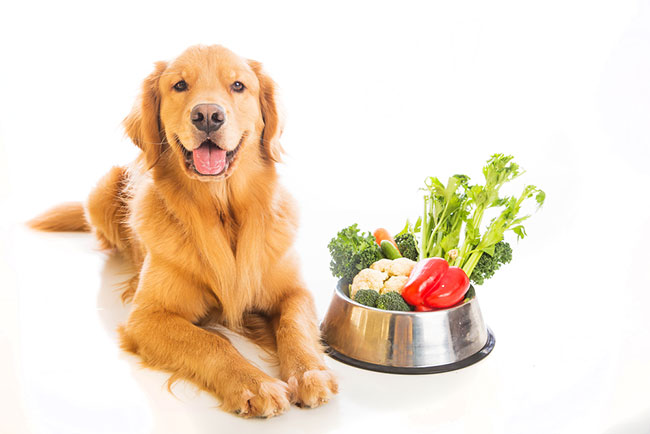
As a pet owner, feeding your dog a healthy, balanced diet is one of the best ways to care for them. Good nutrition gives your dog energy, helps prevent illness, and supports a long, happy life. But with so many food choices and rules, planning your dog’s diet can feel confusing.
This guide will break down what your dog needs to eat at every age and help you create a simple, healthy nutrition plan for your pet.
Understanding Your Dog’s Core Nutritional Requirements
The Critical Six: Water, Protein, Fats, Carbs, Vitamins, and Minerals
Your dog’s diet needs six main things: water, protein, fat, carbohydrates, vitamins, and minerals. Each one helps keep your dog healthy in a special way.
- Water is the most important nutrient for dogs. It helps with digestion, helps the body use food, and keeps your dog cool. Make sure your dog always has fresh, clean water.
- Protein builds muscles, helps the body heal, and keeps your dog’s immune system strong. Choose foods with good animal protein, such as chicken, beef, lamb, or fish.
- Fat gives your dog energy and helps keep their skin and coat healthy. Omega-3 and Omega-6 fats can also reduce inflammation and support your dog’s brain health.
- Carbohydrates provide energy and fiber for your dog. Dogs get carbs from grains, vegetables, and fruit, but they need less than humans do.
- Vitamins and minerals support your dog’s body functions and help protect against illness. Offer a variety of nutrient-rich foods to meet these needs.
The ‘Complete and Balanced’ Stamp: What It Really Means
Dog foods labeled “complete and balanced” meet official nutrition rules set by the Association of American Feed Control Officials (AAFCO). These foods give your dog all the nutrients they need for their age and size.
Choose foods with this certification to make sure your dog gets the right nutrition. Keep in mind that your dog’s needs can change based on their breed, age, weight, and health.
Tailoring the Diet to Your Dog’s Life Stage
Puppy Power: Fueling Rapid Growth Safely
Puppies need more protein and fat than adult dogs to support their growth and energy. Choose puppy food with quality protein sources like chicken or lamb. Look for foods that support healthy bones and joints.
- Tip: Pick puppy food labeled “for growth” or “puppy formula.”
- Avoid adult dog food, which may not have enough nutrients for puppies.
- Note: Do not feed puppies too much at once. Too much food can cause weight problems or growth issues. Control the portion sizes.
Adult Maintenance: Energy and Ideal Body Condition
When your dog becomes an adult, usually around 1 to 2 years old, their energy needs decrease. Focus on keeping your dog at a healthy weight and avoid overfeeding.
- Tip: Choose adult dog food with balanced nutrients and moderate fat and protein. This helps prevent weight gain.
- Note: Watch your dog’s weight. Change the amount of food if they are very active or not active. Less active dogs often need less food.
Senior Strategy: Adjusting for a Slower Metabolism
Senior dogs are less active and their metabolism slows down. If their diet does not change, they may gain weight. Many older dogs also need extra support for their joints.
- Tip: Pick senior dog food. These foods have fewer calories and often include ingredients for joint support, like glucosamine and chondroitin.
- Note: Give older dogs smaller, more frequent meals. This helps with digestion and keeps weight healthy.
The Great Food Debate: Choosing a Diet Type (Kibble, Wet, Raw, Home-Cooked)
You can feed your dog kibble, wet food, raw food, or home-cooked meals. Each option has benefits and drawbacks. Choose the type that fits your dog’s health, needs, and preferences.
- Kibble: Easy to use, costs less, and lasts a long time. But it may have extra fillers. Always choose high-quality kibble that meets AAFCO rules.
- Wet Food: Contains more moisture and is often more appealing to dogs. Wet food can be helpful for dogs with dental issues or picky eaters. It usually costs more and does not keep as long as kibble.
- Raw Food: Some owners choose raw diets because they believe it matches a dog’s natural eating habits. Raw diets require careful planning to be safe and balanced. Always consult your veterinarian before starting a raw diet.
- Home-Cooked: Preparing food at home lets you control the ingredients, but it can be difficult to provide all the nutrients your dog needs. Ask your veterinarian or a pet nutritionist for guidance if you cook for your dog.
Tip: No matter what food type you pick, always check with your vet to make sure your dog gets the right nutrients.
The Perfect Portion: How to Calculate Calories and Avoid Obesity
Feeding your dog too much or too little can lead to health issues. Obesity is common in dogs, so it is important to measure portions and feed the right amount.
Decoding the Resting Energy Requirement (RER) for Owners
Your dog’s Resting Energy Requirement (RER) is the number of calories they need to rest and stay healthy. Use the RER to help decide how much food to give, based on your dog’s age, size, and activity level.
To estimate your dog’s RER:
- To find your dog’s RER:
- 1. Multiply your dog’s weight in kilograms by 30
- 2. Add 70 to that number
Example: If your dog weighs 10 kg (22 lbs), their RER is about 370 calories per day (10 x 30 + 70 = 370).
The 9-Point Body Condition Score (BCS) Check
Check your dog’s weight using the Body Condition Score (BCS) system. The scale ranges from 1, which is very thin, to 9, which is very overweight. Aim for a score of 4 or 5 for best health.
- • Tip: Feel your dog’s ribs and look at their waist to judge body shape. Change food portions if needed to keep a BCS of 4 or 5.
Common Feeding Mistakes to Avoid
Feeding your dog the wrong foods or switching foods too quickly can cause stomach upset, weight gain, or even poisoning.
- • Table Scraps: Do not give your dog food from the table. Some foods, like chocolate, grapes, onions, or garlic, can be very harmful.
- • Sudden Food Changes: Change your dog’s food slowly over 7-10 days. This helps their stomach adjust and avoids problems.
- • Toxic Foods: Some foods that are safe for people can be dangerous for dogs. Avoid chocolate, avocado, alcohol, and sweeteners such as xylitol.
Conclusion
Key Takeaways:
- Make sure your dog always has water to drink.
- Pick good protein and fats for your dog’s age and needs.
- Measure how much you feed your dog. Use the RER formula and BCS score to help stop weight gain.
- Do not give table scraps or unsafe foods. Change foods slowly.
- Ask your veterinarian for advice that fits your dog’s needs. This helps your dog stay healthy and happy.


