8 Tips to Help Your Puppy Settle into a New Home
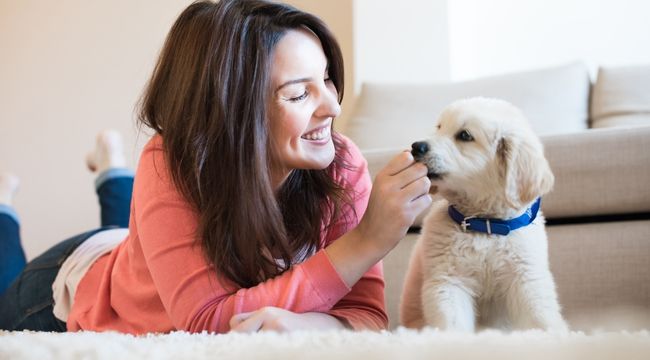
Bringing home a new puppy is an exciting adventure! But as much as you’re looking forward to cuddles and playtime, your puppy might be feeling a little overwhelmed. It’s important to remember that moving to a new home can be a big transition for them. So, what can you do to make it as easy as possible for both of you? Here are 8 practical tips to help your new puppy adjust to their new home.
Why Puppy Adjustment Is Important for You and Your Dog
Puppies, just like babies, need time and support to feel comfortable in their new surroundings. Adjusting to a new home means they’ll feel safe, secure, and ready to bond with you. The process may take some time, but don’t worry—it’s completely normal. The better you prepare your home and yourself, the quicker your puppy will feel settled.
Key Takeaways
- Puppies need a calm, quiet space to feel safe.
- Consistency is key to establishing routines.
- Positive reinforcement builds trust and confidence.
- Crate training can help with housebreaking and security.
- Patience will go a long way in the first few weeks.
1. Create a Safe and Calm Space for Your Puppy
When your puppy first arrives, they may feel a bit overwhelmed by all the new sights, sounds, and smells. To make the transition easier, designate a quiet area in your home where they can retreat and feel safe. This space should be free of distractions and other pets, allowing them to relax and acclimate to their new environment.
Why This Matters:
A calm and quiet space helps your puppy adjust more quickly. It provides them with a sense of security, which is crucial for their mental well-being.
Practical Tip:
Consider using a crate or a small playpen. This gives them a space to call their own, and can also help with housebreaking as they won’t want to soil their personal area.
2. Establish a Routine Early On
Puppies thrive on routine. It helps them feel secure and understand what to expect each day. From feeding times to playtimes, try to keep things consistent. This predictability will help them adjust to their new environment faster.
Why This Matters:
Routines create a sense of stability. Puppies, like kids, need structure to feel confident and safe in their surroundings.
Practical Tip:
Set regular times for meals, potty breaks, and naps. Stick to these times as closely as possible, and try to avoid random changes, especially in the early days.
3. Introduce Your Puppy to Their New Home Gradually
Your new home might seem like a big, intimidating place to a little puppy. Take it slow—don’t overwhelm them with too many new experiences at once. Start by introducing them to one room at a time. Let them explore at their own pace, always making sure they feel comfortable.
Why This Matters:
Puppies can become easily overwhelmed. By giving them time to adjust to each space, you’re helping them feel safe and preventing anxiety.
Practical Tip:
If your puppy shows signs of stress, like cowering or hiding, give them some time to calm down before introducing them to another area.
4. Use Positive Reinforcement to Encourage Good Behavior
When it comes to training, positive reinforcement is your best friend. Puppies love attention and rewards, so whenever they do something good, be sure to praise them with a treat or affection. This helps them learn the behaviors you expect, and it strengthens the bond between you and your new pet.
Why This Matters:
Positive reinforcement builds trust and makes learning enjoyable for your puppy. It also encourages them to repeat good behaviors.
Practical Tip:
Instead of punishing undesirable behaviors, focus on rewarding the good ones. For example, if your puppy goes potty outside, give them a treat and lots of praise. If they chew on something they shouldn’t, gently redirect them to a chew toy instead.
5. Socialize Your Puppy with Other Pets and People
Proper socialization is essential for your puppy’s development. Introducing them to other pets and people will help them feel comfortable and confident in different situations. It also prevents fear-based aggression later on. But remember, take it slow.
Why This Matters:
Socializing your puppy helps them grow into a well-adjusted, friendly adult dog. It helps them learn to interact with other animals and people in a positive way.
Practical Tip:
Keep initial introductions calm and controlled. If you have other pets, make sure the first meeting is supervised and in a neutral space. Gradually introduce your puppy to new people, starting with a few calm visitors.
6. House Training and Crate Training Are Essential
Housebreaking can be one of the most stressful parts of bringing a new puppy home, but it doesn’t have to be difficult. Consistency and patience are key. Set up a potty routine that works for both you and your puppy, and be sure to take them outside frequently—especially after eating, drinking, or napping.
Why This Matters:
Proper training not only prevents accidents in the house but also builds your puppy’s confidence and helps them learn boundaries.
Practical Tip:
Crate training can be an incredibly helpful tool for both housebreaking and giving your puppy a safe space. Crates should never be used as punishment but as a positive, calming environment.
7. Keep Playtime Fun and Engaging
Playtime isn’t just about letting your puppy burn off energy—it’s also an important bonding experience. Engaging play helps your puppy learn how to interact with toys, people, and even other dogs. It’s a great way to keep them mentally stimulated while reinforcing positive behaviors.
Why This Matters:
Playtime strengthens your bond and provides mental and physical exercise for your puppy. It’s also a great way to teach them basic commands like “sit,” “stay,” and “come.”
Practical Tip:
Introduce different types of toys—some for chewing, others for fetching, and even interactive toys that engage their brain. Rotate toys to keep playtime exciting and challenging.
8. Be Patient and Allow Time for Adjustment
The most important tip of all: be patient. Just like us, puppies need time to adjust to their new lives. Some might settle in quickly, while others take a bit longer. Don’t be discouraged if your puppy takes a few weeks (or longer) to feel fully comfortable.
Why This Matters:
Patience is key to a smooth transition. If you expect too much too soon, you might unintentionally create stress for both of you.
Practical Tip:
Don’t rush the process. Let your puppy adjust at their own pace. They’ll eventually feel comfortable and confident in their new home.
Final Thoughts
Bringing a puppy into your life is one of the most rewarding experiences you’ll have. But remember, the first few weeks and months are all about patience, consistency, and love. With these 8 tips, you can help your new puppy adjust to their new home while building a strong foundation for your life together.
It’s not always easy, but with time, training, and a little extra care, you’ll have a happy, confident pup in no time!
FAQs
How long does it take for a puppy to adjust to a new home?
It can take anywhere from a few days to a few weeks. Some puppies adjust quickly, while others may take a little longer to feel comfortable.
Should I crate train my puppy?
Yes, crate training is highly recommended for housebreaking and providing your puppy with a safe space. Just remember, it should never be used for punishment.
When should I start training my new puppy?
Start training your puppy as soon as you bring them home. Early training helps establish good behaviors and builds trust between you and your pet.
What if my puppy is afraid of new people or pets?
Take it slow and let your puppy approach new people or pets at their own pace. Always supervise initial introductions to ensure they are calm and comfortable.
How often should I take my puppy outside?
Take your puppy outside every 2-3 hours, especially after meals, naps, or playtime. Frequent potty breaks are crucial during the housebreaking phase.
How do I stop my puppy from biting?
Redirect their biting behavior by offering chew toys. Consistently reward them when they chew on appropriate items, and discourage biting through gentle redirection.
Can I leave my puppy alone during the day?
Puppies should not be left alone for long periods, especially in the first few months. Gradually increase alone time as they become more comfortable with their environment.
What should I feed my new puppy?
Feed your puppy high-quality puppy food that meets their nutritional needs. Consult with your vet for specific recommendations based on your puppy’s breed and size.