What Should You Do When Your Dog Has an Upset Stomach? How to Prevent Dog Diarrhea
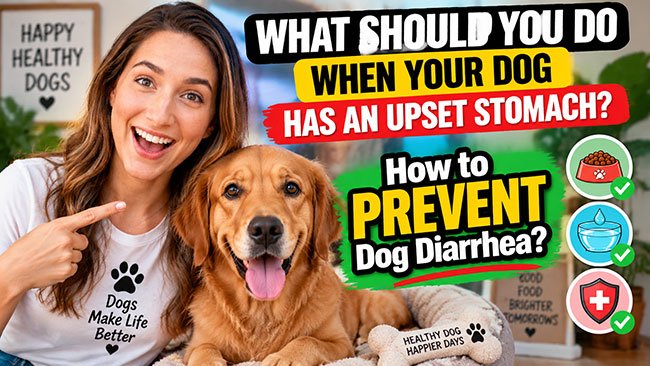
Every dog owner eventually deals with it: a normal walk turns into an emergency, or you wake up to a mess that wasn’t there the night before. Diarrhea is one of the most common reasons dogs end up needing extra attention at home, and it rarely gives any warning before it happens.
Why Dogs Get Diarrhea
Loose stools in dogs can have many causes, most of which are minor. A sudden change in food, a treat that didn’t agree with them, something scavenged on a walk, or even stress from a change in routine can all trigger a short bout of digestive upset. Dogs are also naturally curious eaters, which means an upset stomach from getting into something they shouldn’t have is common enough that most owners will deal with it at some point.
In most cases, occasional diarrhea isn’t a sign of anything serious. The digestive system is simply reacting to something it didn’t expect, and it usually settles back down within a day or two once the trigger passes through their system.
What to Watch For at Home
Not every case needs a vet visit, but a few signs mean it’s worth making the call. Reach out to your vet if your dog’s diarrhea is paired with blood, repeated vomiting, noticeable lethargy, loss of appetite lasting more than a day, or if the diarrhea itself continues for more than 48 hours. Puppies, senior dogs, and dogs with existing health conditions should generally be checked sooner, since they’re more prone to dehydration.
For everything else, a single upset stomach with no other symptoms is usually something you can manage from home while keeping an eye on how your dog is doing.
Being Prepared Before It Happens
One of the more frustrating parts of dealing with diarrhea is that it rarely happens at a convenient time. Between packed mornings, after-school activities, and a full household schedule, an unexpected mess is not the kind of surprise most families have room for, especially once the school year kicks back into gear.
That’s where having something on hand ahead of time makes a real difference. Stop The Runs from Tevra Brands is designed as an easy-to-keep pet first-aid essential for managing occasional loose stools in dogs. It’s the kind of product worth adding to a pet care cabinet well before you need it.
Keeping a product like this on hand means one less thing to scramble for when an upset stomach shows up unannounced, and it’s a small addition to a first-aid kit that can save a stressful trip to the pet store at the worst possible time.
General Home Care Tips
If your dog is dealing with a mild case of diarrhea, a few basic steps can help them recover more comfortably:
- Keep water accessible. Hydration matters more than food in the first day, especially if there’s any vomiting involved.
- Consider a bland diet temporarily. Plain boiled chicken and rice, in small portions, is often easier on a dog’s stomach than their regular food.
- Avoid new treats or table scraps until things have settled back to normal.
- Monitor, don’t panic. Keep track of how often it’s happening and whether other symptoms show up, so you have clear information if you do need to call the vet.
Preventing Diarrhea Before It Starts
While not every case can be avoided, a few habits can lower how often your dog deals with an upset stomach in the first place. Keeping their diet consistent is one of the biggest factors; sudden switches between dog food brands or formulas are a common trigger, so any change should be introduced gradually over several days rather than all at once.
Keeping an eye on what your dog has access to also matters. Trash cans, counters, and anything left within reach on a walk are common culprits. A little extra supervision, especially during walks or at the park, goes a long way toward avoiding diarrhea.
Stress is another factor that’s easy to overlook. Big changes — a move, a new pet, a shift in routine — can show up in a dog’s digestive system. Keeping mealtimes and walk schedules as consistent as possible, especially during a transition, can help them stay steady.
Conclusion
Occasional loose stools in dogs are common and usually resolve on their own within a day or two. Watch for signs like lethargy, blood, repeated vomiting, or symptoms lasting more than 48 hours, which mean it’s time to call the vet.
Diarrhea is one of those pet health issues that’s rarely serious but always inconvenient, and it tends to show up exactly when you’re least prepared for it. Knowing what’s normal, what’s worth a vet call, and having a simple solution ready at home can turn a stressful moment into a manageable one.


