The Ultimate Guide to Choosing the Right Pet Vacuum and Floor Cleaner for a Cleaner Home
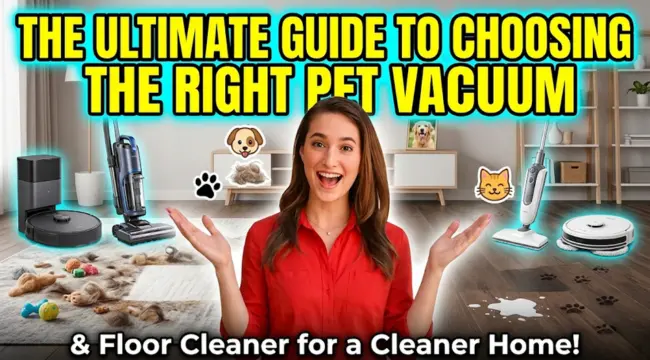
If you share your home with furry companions, you already know how challenging it can be to keep your floors clean. Pet hair, muddy paw prints, spilled water bowls, and everyday dust can quickly build up. Choosing the right pet vacuum is the first and most important step toward maintaining a fresh and healthy living space. Along with that, investing in an efficient floor cleaner can help you maintain spotless surfaces with less effort.
In this detailed guide, we will help you understand how to select the best cleaning tools for pet-friendly homes, what features to look for, and how to keep your house clean without stress.
Table of Contents
- Why Pet Owners Need Specialized Cleaning Tools
- Key Features to Look for in a Pet Vacuum
- How a Floor Cleaner Complements Your Vacuum
- Best Surfaces for Pet Vacuums and Floor Cleaners
- How Often Should Pet Owners Clean?
- Creating an Efficient Cleaning Routine
- Final Thoughts
Why Pet Owners Need Specialized Cleaning Tools
Living with pets brings joy, comfort, and companionship. However, it also brings fur, dander, and unexpected messes. Regular vacuums may not always handle thick pet hair or deeply embedded dirt effectively.
Pet hair tends to cling to carpets, sofas, curtains, and even walls. Standard machines can lose suction quickly or get clogged. That is why a vacuum specifically designed for homes with pets offers stronger suction, advanced filtration systems, and attachments made to remove stubborn hair.
Similarly, a powerful floor cleaner is necessary for hard floors such as tiles, hardwood, or laminate. Pets often track in dirt from outside, and water spills are common. A reliable cleaning system ensures hygienic floors and reduces odors.
Key Features to Look for in a Pet Vacuum
Strong Suction Power
Suction is the heart of any vacuum. For homes with pets, strong and consistent suction is essential. Pet hair can settle deep into carpets and rugs. Without proper suction, the vacuum may only clean the surface.
A high-performance pet vacuum maintains strong airflow and removes deeply embedded dirt, hair, and dust. This makes your cleaning routine more effective and less time-consuming.
Advanced Filtration System
Pet dander is one of the biggest causes of allergies. A vacuum with a sealed filtration system helps trap microscopic particles and prevents them from being released back into the air.
If someone in your family suffers from allergies or asthma, this feature becomes even more important. Cleaner air means a healthier home environment for everyone.
Specialized Attachments for Pet Hair
Pet owners should look for tools like motorized brush heads, upholstery tools, and crevice tools. These attachments make it easier to clean:
- Sofas and couches
- Car seats
- Pet beds
- Corners and tight spaces
Motorized brush tools are especially helpful because they lift stubborn hair from fabric surfaces without damaging them.
How a Floor Cleaner Complements Your Vacuum
While a vacuum removes dry debris, a floor cleaner takes care of wet messes and sticky stains. Homes with pets often experience muddy footprints, food spills, and drool marks. Vacuuming alone is not enough to handle these issues.
A modern floor cleaner washes and dries hard floors in one step. This saves time and ensures that floors are not only clean but also sanitized. Using both a vacuum and a floor cleaner gives you complete cleaning coverage.
For example, you can vacuum pet hair from rugs and carpets, then use a floor cleaner to wash kitchen tiles or hallway floors. This combination keeps your home looking fresh every day.
Best Surfaces for Pet Vacuums and Floor Cleaners
Carpets and Rugs
Carpets are comfortable for pets, but they trap hair and odors. A powerful vacuum with a motorized brush head works best on carpets. It removes dirt from deep within the fibers and restores the carpet’s appearance.
Regular vacuuming also prevents long-term damage caused by embedded dirt.
Hardwood Floors
Hardwood floors require gentle but effective cleaning. Scratches can occur if debris is dragged across the surface. Using a vacuum with soft rollers protects your floor while removing dust and hair.
After vacuuming, a floor cleaner can remove stains and restore shine without leaving excess moisture behind.
Tiles and Laminate Flooring
Tiles and laminate are common in kitchens and living areas. These surfaces collect paw prints and spills quickly. A floor cleaner designed for hard floors ensures streak-free results and quick drying.
How Often Should Pet Owners Clean?
Cleaning frequency depends on the number of pets you have and how much they shed. However, most pet owners benefit from:
- Vacuuming at least 3–4 times per week
- Cleaning high-traffic areas daily
- Washing hard floors weekly
If you have multiple pets or heavy shedders, daily vacuuming may be necessary.
Regular cleaning not only improves appearance but also reduces allergens and unpleasant smells.
Creating an Efficient Cleaning Routine
Developing a simple cleaning routine makes life easier. Instead of waiting until dirt builds up, clean small areas regularly.
Start by vacuuming carpets, rugs, and furniture. Focus on areas where your pets spend most of their time. After removing dry debris, use your floor cleaner for hard surfaces.
This two-step method ensures deep cleaning without doubling your effort.
Energy Efficiency and Modern Design
Today’s cleaning machines are designed to be lightweight, cordless, and easy to maneuver. This is especially helpful for busy families.
Cordless models allow you to move freely from room to room. Lightweight designs reduce strain on your back and arms. Some models even include wall-mounted docks for convenient storage.
When choosing a pet vacuum or floor cleaner, consider how easy it is to carry, store, and maintain.
Maintenance Tips for Long-Lasting Performance
To keep your cleaning tools working efficiently, regular maintenance is important.
- Empty the dustbin after each use
- Wash filters as recommended
- Check brush bars for tangled hair
- Clean water tanks after mopping
Proper maintenance prevents loss of suction and keeps your device running like new.
Common Mistakes Pet Owners Make
Many pet owners rely on outdated or low-power vacuums. This can lead to frustration and incomplete cleaning.
Another common mistake is ignoring filters. Dirty filters reduce performance and may spread allergens. Also, some people use too much water on hardwood floors, which can cause damage over time.
Choosing the right equipment and using it correctly can prevent these problems.
Benefits of Investing in Quality Cleaning Equipment
High-quality cleaning tools may seem expensive at first. However, they offer long-term benefits:
- Faster cleaning
- Better removal of pet hair
- Improved air quality
- Reduced odors
- Longer lifespan
Instead of replacing cheap vacuums frequently, investing in reliable equipment saves money in the long run.
Internal Linking Opportunities for SEO
To strengthen your website’s SEO performance, consider creating or linking to related content such as:
- “How to Reduce Pet Shedding at Home”
- “Best Cleaning Tips for Pet Owners”
- “Carpet Care Guide for Families with Pets”
- “How to Maintain Hardwood Floors with Pets”
You can naturally link phrases like pet grooming tips, allergy-friendly home cleaning, or deep carpet cleaning methods within these articles to build internal authority and improve search rankings.
Internal linking helps search engines understand your website structure and keeps visitors engaged longer.
Final Thoughts
Keeping your home clean with pets does not have to be difficult. With the right pet vacuum and an effective floor cleaner, you can manage hair, dirt, and spills quickly and easily.
The key is choosing equipment with strong suction, advanced filtration, and tools specifically designed for pet hair. Combine vacuuming and floor washing in a simple routine, and your home will stay fresh, hygienic, and welcoming.
A clean home is not only about appearance — it is about comfort, health, and peace of mind for you and your beloved pets.