Can Dogs Eat Granola? Safe Ingredients vs. Toxic Ones
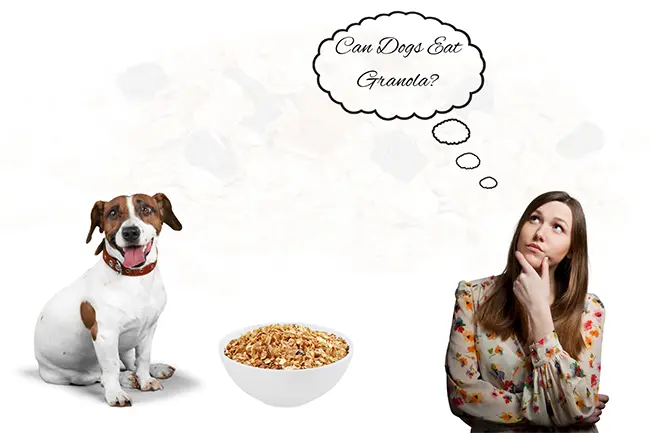
Granola is a popular snack that many people enjoy for its crunch, satisfying texture, and nutritious ingredients. It can be added to yogurt, served with fruit, or eaten on its own as a quick breakfast or snack.
If you enjoy granola, you may wonder if it is safe to share with your dog. While dogs often enjoy snacks, not all human foods are safe for them. It is important to consider the ingredients in granola before offering it to your pet.
Dogs can eat certain types of granola in small amounts, but caution is needed. Some ingredients commonly found in granola can be harmful to dogs. Below, we explain which granola ingredients are safe or risky for dogs and how to offer granola safely if you choose to include it in your dog’s diet.
Let’s take a closer look at whether dogs can eat granola, and if so, which types are safe and in what quantities.
What is Granola?
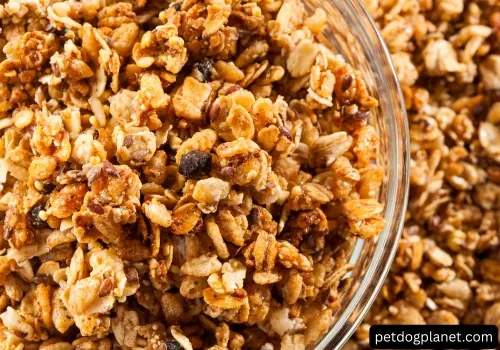
Granola is a popular breakfast choice for many pet owners because it is both tasty and simple to prepare. It usually contains oats, nuts, seeds, and a sweetener like honey or sugar. Once mixed, it is baked until it becomes crisp. Granola is a good source of fiber, protein, and healthy fats, which can help give you steady energy throughout the day.
Granola also contains important vitamins and minerals, such as iron, magnesium, and B vitamins. While it can be a healthy option, granola is sometimes high in calories, especially if it has extra sweeteners or added fats. To keep your breakfast balanced, try to enjoy granola in moderation.
Can Dogs Eat Granola?
The short answer is yes, but with caution.
Granola is not toxic to dogs, but the ingredients matter. Plain granola made with oats and a small amount of nuts or seeds may be safe in moderation. Many store-bought granolas contain sugar, honey, raisins, chocolate, or artificial sweeteners such as xylitol. These ingredients can be harmful or even life-threatening to dogs. Granola is also often high in fat, which can cause stomach upset or contribute to weight gain.
If you decide to share granola with your dog, choose a plain, unsweetened variety that does not contain any harmful ingredients. Offer only a small amount to see how your dog responds, as too much can lead to digestive upset. For a safer option, consider using treats that are made specifically for dogs.
If you want to include granola in your dog’s diet, the safest approach is to prepare homemade granola or granola bars using dog-friendly ingredients.
The Benefits of Granola for Dogs
Key Nutrients
Plain granola usually contains rolled oats and puffed brown rice, both of which are safe for dogs to eat. These grains provide healthy carbohydrates, fiber, and minerals like calcium and potassium. Some granola recipes also include pumpkin seeds or flaxseeds, which add more healthy fats and fiber. If the granola does not have added sugar or other additives, a small amount can give your dog steady energy and support healthy digestion.
Portion Guidelines
Granola should only be an occasional treat for your dog, not a regular part of their diet. Oats and rice do not provide all the nutrients dogs need, and seeds or nuts are best given in small amounts. Treats like granola should make up less than 10 percent of your dog’s daily calories. Too much granola can fill your dog up and cause them to miss out on their balanced dog food. If you want to share granola, choose plain, unsweetened types without chocolate or dried fruit. Offer less than a teaspoon to small dogs, one to two teaspoons to medium dogs, and up to one tablespoon to large dogs.
The Risks of Granola for Dogs
Toxic Ingredients to Avoid
The main concern with granola is that it often contains ingredients that are dangerous for dogs. Many store-bought granolas include raisins, chocolate, macadamia nuts, or pecans, all of which are toxic to dogs. Raisins and grapes can cause kidney failure, and chocolate contains substances that can make dogs very sick or even be deadly. Some granola bars have xylitol, a sweetener that can cause a sudden drop in blood sugar and lead to seizures or liver problems. High-fat nuts can upset your dog’s stomach or cause choking. Many commercial granolas are also high in sugar, honey, syrup, or salt, which can lead to weight gain and other health issues.
Health Concerns with Granola
Even if the granola does not contain anything toxic, it can still cause problems for your dog. Granola is high in calories and fiber, so eating too much can upset your dog’s stomach, cause weight gain, or lead to an unbalanced diet. Since granola is not made for dogs, it can make them feel full without giving them the nutrients they need. Dogs with diabetes or sensitive stomachs should avoid granola completely.
What Types of Granola Can Dogs Eat?
If you want to share granola with your dog, it’s important to pick a type that contains only dog-safe ingredients. Avoid any granola that has raisins, chocolate, or xylitol, as these are toxic to dogs.
Plain, Homemade Granola
Homemade granola made from simple, natural ingredients is the safest choice for your dog. Making it yourself lets you control exactly what goes in and avoid any harmful additives. A basic recipe might include oats, unsweetened peanut butter, a small amount of honey, and dog-safe nuts or seeds such as pumpkin or sunflower seeds.
With homemade granola, you can leave out any ingredients that might be harmful and adjust the recipe to suit your dog’s tastes. However, granola should only be offered in small amounts to keep your dog’s diet balanced and avoid overfeeding.
Store-Bought Granola: Choose Wisely
If you decide to use store-bought granola, check the label for natural sweeteners and make sure it does not contain harmful ingredients such as raisins, chocolate, or xylitol. Choose granola without added sugars or artificial flavors, and confirm that any nuts or seeds included are safe for dogs.
Always read the ingredient list carefully before offering your dog any commercial granola. Many brands include added sugars, preservatives, or even ingredients that are toxic to dogs. Look for brands where oats, nuts, and seeds are the primary ingredients.
How Much Granola Can Dogs Have?
Even when granola is made with safe ingredients, portion control is important. Granola is high in calories, and feeding too much can lead to weight gain, digestive upset, or even pancreatitis, especially if it contains a lot of fat or sugar.
Portion Size for Dogs
Treats such as granola should make up less than 10 percent of your dog’s daily calories. Granola should be given only as an occasional treat, not as a regular snack. The appropriate amount depends on your dog’s size, age, and activity level. For small dogs, a teaspoon is enough, while larger dogs can have up to a tablespoon.
When introducing new treats such as granola, consider your dog’s overall diet. Granola should not replace a balanced meal, and you may need to reduce other treats to prevent overfeeding.
Watch for Allergic Reactions
Before offering your dog granola, be aware of possible food allergies. Some dogs are sensitive to certain nuts or grains. Start with a small amount and watch for signs of an allergic reaction, such as vomiting, diarrhea, itching, or swelling.
Signs of Granola Overconsumption
Even with careful portion sizes, monitor your dog after they eat granola. Signs of overconsumption or digestive upset can include:
- Vomiting or diarrhea
- Bloating or excessive gas
- Lethargy or unusual tiredness
- Loss of appetite
If you notice any of these symptoms, contact your veterinarian. An upset stomach can sometimes indicate a more serious problem, especially if your dog has eaten granola containing toxic ingredients.
Alternatives to Granola for Dogs
If you are concerned about the risks of granola or want to offer your dog a healthier snack, there are many safe and nutritious alternatives. Here are some options your dog may enjoy:
1. Carrot Sticks
Carrots are a low-calorie, high-fiber snack that can help clean your dog’s teeth. They are crunchy, naturally sweet, and packed with vitamins.
2. Apple Slices
Apples, as long as you remove the seeds, are a great treat for dogs. They are high in fiber and antioxidants and provide a crisp, refreshing crunch.
3. Sweet Potato Chews
Sweet potatoes are rich in vitamins and fiber. You can serve them cooked or offer dehydrated sweet potato chews as a healthy snack for your dog.
4. Commercial Dog Treats
If you do not have time to make treats at home, choose commercial dog treats made with natural ingredients such as oats, pumpkin, or peanut butter. Always check the ingredient list to ensure there are no harmful additives.
Conclusion
Can dogs eat granola? Yes, as long as you are careful. Granola made with dog-safe ingredients can be a healthy treat in small amounts. Avoid any granola with raisins, chocolate, or xylitol, and keep portions small.
If you would like to share granola with your dog, choose homemade recipes or select store-bought brands with only safe ingredients. Watch for any signs of allergies or digestive upset when introducing new foods, and consult your veterinarian if you have any concerns.
Key Takeaways:
- Granola can be safe for dogs if it contains only dog-safe ingredients.
- Avoid granola with raisins, chocolate, added sugar, or artificial sweeteners such as xylitol.
- Offer granola in moderation to prevent digestive upset or weight gain.
- Always check ingredient labels carefully when choosing commercial granola.
By understanding the risks and benefits of feeding granola, you can make informed choices for your dog and share healthy, enjoyable treats together.
FAQS.
Can dogs eat granola?
Dogs can have a small amount of granola, but it’s not a good choice for a regular snack. Some types of granola contain ingredients like raisins, chocolate, or nuts, which are unsafe for dogs. Always check the ingredients before offering granola to your pet.
Is granola safe for dogs?
Granola is not toxic to dogs, but it isn’t the healthiest treat. Many granolas have added sugar, nuts, or raisins, which can cause digestive upset or be toxic. Always make sure the granola does not contain harmful ingredients before giving it to your dog.
What ingredients in granola are harmful to dogs?
Ingredients such as raisins, chocolate, xylitol, and some nuts found in granola can be toxic to dogs. These can cause serious health problems, including kidney issues or stomach upset. Always check the label before giving your dog any granola.
Can granola cause stomach issues in dogs?
Yes, granola can cause stomach issues such as gas, diarrhea, or vomiting, especially if your dog eats too much or if it contains ingredients that are not safe for dogs. It’s best to only offer a small amount occasionally to help prevent digestive problems.
How much granola can I give my dog?
If you want to share granola with your dog, only offer a very small amount, and make sure it’s plain without raisins, chocolate, or nuts. A small bite is okay as an occasional treat, but it shouldn’t be a regular part of your dog’s diet. Watch your dog for any signs of stomach upset after eating granola.
Can puppies eat granola?
Puppies should not eat granola because their digestive systems are more sensitive. Granola can be too rich or difficult for them to digest. It’s best to stick with treats made specifically for puppies until your dog is older.
Is granola good for dogs?
Granola is not an ideal snack for dogs. While a small amount is not toxic, it does not provide much nutritional value and may include ingredients that are unsafe. It’s safer to choose treats that are made for dogs.
Can dogs eat granola bars?
Dogs should not eat granola bars, especially if they contain chocolate, raisins, or nuts, since these are toxic to dogs. If the granola bar does not have any harmful ingredients, a small piece as an occasional treat is okay, but it’s better to choose dog-specific snacks.