Can Dogs Eat Onions? What Every Pet Owner Needs to Know
Toxic or Tasty? Exploring the Risks and Benefits of Feeding Onions to Dogs
If your dog eats a piece of onion that falls on the floor while you are cooking, you may wonder if it is safe. Many pet owners have questions about whether dogs can eat onions, especially since dogs are often interested in what we are preparing in the kitchen.
Onions are commonly used in many recipes, but they are not safe for dogs. Even small amounts can cause health problems for pets. It is important to know which foods are dangerous for dogs to help keep them healthy.
Table of Contents
- Can Dogs Eat Onions?
- Can Dogs Eat Cooked Onions?
- Can Dogs Eat Broth Cooked with Onions?
- Symptoms of Onion Toxicity in Dogs
- Why Onions Are Bad for Dogs
- How Much Onion Can Make a Dog Sick?
- Beware of These Foods Similar to Onions That Can Poison Your Dog
- What to Do if Your Dog Ate Onions?
- Diagnosing Onion Poisoning in Dogs
- Conclusion
- FAQS.
Can Dogs Eat Onions?
Dogs should not eat onions. While onions are common in many human foods, they are harmful to dogs. Onions and related vegetables such as garlic, shallots, and leeks contain compounds that can damage a dog’s red blood cells. This can lead to hemolytic anemia, a condition where red blood cells are destroyed faster than they can be replaced.
It is important to keep onions and foods containing onions away from dogs. If you suspect your dog has eaten onions, contact your veterinarian immediately. Prompt action can help prevent serious health problems.
Related Post: Can Dogs Eat Funyuns?
Can Dogs Eat Cooked Onions?

Dogs should not eat cooked onions. Cooking does not make onions safe, and every form of onion is still harmful, whether it is raw, cooked, fried, or powdered. Onions have a substance called N-propyl disulfide that can damage red blood cells and lead to anemia.
Even a small amount of onion can be dangerous for dogs. For example, a 45-pound dog could get sick from eating just one medium onion. Signs of onion poisoning include tiredness, weakness, pale gums, vomiting, and dark or reddish urine. These symptoms usually show up within a few days. If your dog eats any cooked onions, call your vet right away.
Related Post: Can Dogs Eat Cheerios? Safe or Risky Snacking?
Can Dogs Eat Broth Cooked with Onions?
Dogs should not have broth that has been cooked with onions. Even a little bit of onion in broth is unsafe because the harmful parts of the onion mix into the liquid. Most store-bought broths have onions or onion powder, which are just as bad for dogs as fresh onions.
It only takes a small amount of onion—about half a percent of your dog’s body weight—to cause poisoning. The danger can add up if your dog eats a little bit of onion over several days. Signs of onion poisoning, like weakness, pale gums, or reddish urine, might not show up for a week. To be safe, use broths made just for dogs or make your own at home without any onions, garlic, or related ingredients.
Related Post: Can Dogs Eat Acai? Exploring the Safety and Benefits
Symptoms of Onion Toxicity in Dogs
If your dog eats onions, you might notice them feeling unwell within a day or two, but sometimes it can take a few days before you see any signs. Here are some things to watch for:
- Decreased appetite
- Pale gums
- Lethargy
- Weakness
- Collapse
- You might notice their urine looks a bit reddish
- Vomiting and/or diarrhea
- Elevated heart rate
- Panting
If you spot any of these symptoms in your dog, it’s best to get them to the vet right away. Acting quickly can really help. Even a small amount of onion can be harmful, so it’s always better to be safe.
Why Onions Are Bad for Dogs
It can be tempting to share food with your dog while preparing dinner, but onions are actually among the most dangerous foods for them.
The Hidden Villain: N-Propyl Disulfide
Onion toxicity is caused by a compound called N-propyl disulfide. This chemical damages a dog’s red blood cells, which are responsible for carrying oxygen throughout the body.
When dogs eat onions, these compounds can cause hemolytic anemia. This means that red blood cells break down more quickly than the body can produce new ones.
The Numbers That Matter
The toxic dose for fresh onions is about 15 grams per kilogram of a dog’s body weight. For example, a 30-pound dog could be poisoned by eating roughly half of a medium onion. Garlic is even more potent, at three to five times the toxicity of onions.
Most animal poisonings, about 90%, are accidental and occur at home. Dogs can be exposed to onions by licking surfaces, eating food scraps, or consuming foods prepared with onion powder.
A Sneaky, Delayed Reaction
Symptoms of onion poisoning may not appear immediately. A dog may seem normal for one or two days before showing signs of illness. Typical symptoms include:
Within hours, your dog might experience vomiting, diarrhea, and abdominal discomfort as their digestive system reacts to the irritant.
After 1-7 days: The real danger begins. As red blood cells break down, you’ll notice:
- Lethargy and weakness
- Pale or yellowish gums
- Rapid breathing or panting
- Loss of appetite
- Dark red or reddish-brown urine (a telltale sign of hemolysis)
All Forms Are Dangerous
All forms of onion are toxic to dogs, including raw, cooked, dried, and powdered. Onion powder is especially concentrated and can be more dangerous than fresh onions. Dogs can be exposed through foods such as:
- Pizza with onion powder in the sauce
- Soup made with onion broth.
- Baby food containing onion (often given to sick dogs)
- Leftover Chinese takeout
- Even some commercial dog treats that contain onion flavoring
The Cumulative Effect
Onion toxicity can accumulate over time. Small, repeated exposures may be as harmful as a single large dose, and can eventually result in serious anemia.
Why Dogs Are So Vulnerable
Dogs are more sensitive to onion toxicity than humans because they lack certain enzymes needed to break down these compounds. Their red blood cells are also more vulnerable to oxidative damage.
Onion toxicosis can be life-threatening for dogs. Without treatment, severe cases may result in organ failure or death. However, with prompt veterinary care, most dogs recover fully.
It is important to treat onions as a household poison and keep them out of reach of dogs. Store onions securely, clean up after cooking, and do not feed foods containing onions to your dog.
Related Post: Can Dogs Eat Couscous? How Much Is Safe?
How Much Onion Can Make a Dog Sick?
Dogs are quick to grab food that falls on the floor, but even small amounts of onion can be harmful. It is important to know how little onion it takes to cause a problem.
Understanding Onion Toxicity in Dogs
Even a small amount of onion can be dangerous for your dog. If your dog eats just a tiny bit—enough to fit in your hand—it could make them very sick.
Here are some examples for dogs of different sizes:
- If you have a 10-pound Chihuahua, just one thin slice of onion could be harmful. That’s less than an ounce.
- For a 30-pound Beagle, eating about a third of a medium onion is enough to cause problems. That’s just over two ounces.
- A 60-pound Golden Retriever could get sick from eating about three-quarters of a medium onion, which is almost five ounces.
Higher Risk Levels
The 0.5% threshold is the starting point for concern, but research shows that 15-30 grams of onion per kilogram of body weight usually leads to clear symptoms. For a 45-pound dog, eating one medium-to-large onion can be dangerous.
Onion powder is much more concentrated than fresh onions. One teaspoon of onion powder can have the same toxic effect as a whole fresh onion. Foods like seasoned crackers, soup mixes, or baby food may contain enough onion powder to be harmful.
Timeline of Onion Toxicity
Onion poisoning often has a delayed onset. A dog may eat food containing onion and appear normal for the first 12-24 hours, but harmful effects can develop later as the toxins affect the blood.
During the first one to two days, a dog may have vomiting, diarrhea, or loss of appetite. These symptoms are sometimes mistaken for a mild stomach upset.
Between days two and seven, more serious symptoms can appear. These include lethargy, weakness, pale gums, and reddish-brown urine, which indicate that red blood cells are being damaged.
Risks for Small Dogs
For toy breeds and small dogs, even a small amount of onion can be dangerous. A few onion rings, a taste of onion dip, or drippings from an onion-seasoned roast may be enough to cause illness.
Japanese breeds such as Akitas and Shiba Inus are more sensitive to onion toxicity and can show symptoms at lower doses than other breeds. Owners of these breeds should be especially careful.
Related Post: Can Dogs Eat Acai?
Beware of These Foods Similar to Onions That Can Poison Your Dog
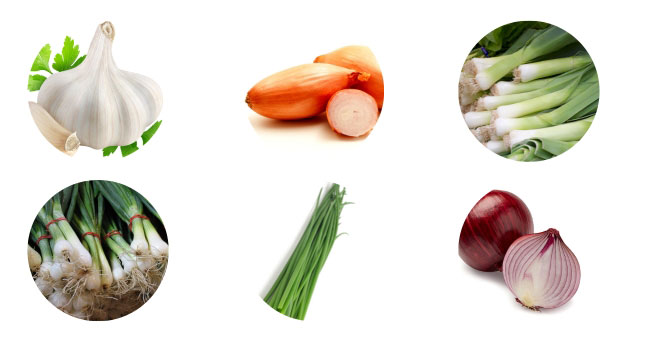
Most people know that onions are bad for dogs, but other foods in the same family can be dangerous too. Garlic, shallots, leeks, scallions, and chives all have a chemical called N-propyl disulfide. This can damage your dog’s red blood cells.
Garlic is actually even more toxic than onions because it has more of this chemical. Always check food labels, since a lot of human foods have onion or garlic, or their powders, in them.
If your dog eats any of these foods, even just a little, call your vet right away. Before giving your dog any new food or treat, check with your vet to keep them safe.
Related Post: Can Dogs Eat Durian Safely?
What to Do if Your Dog Ate Onions?
If you’re unsure if the number of onions consumed by your dog is toxic but you’ve observed some symptoms of toxicity in him, it is best to consult with your veterinarian immediately. They can determine whether or not treatment will be necessary.
If treatment is required, know that the treatment process can involve treating the co-occurring allergic reactions, using activated charcoal to treat poisoning, stomach flushing, vomiting, and gastric lavage carry-out. In the case of a skin infection, your dog might need to be bathed and dried.
Aside from these treatment options, your veterinarian may suggest hydration of the dog by introducing more fluids into his bloodstream, thereby addressing possible damage to the liver. A blood transfusion might also be recommended when necessary.
Diagnosing Onion Poisoning in Dogs
If your dog eats something they should not, acting quickly is important. Onion poisoning can be hard to diagnose because symptoms may not show up right away and can look like other common problems. Knowing how veterinarians diagnose onion poisoning can help you respond sooner and get your dog the care they need.
The Tricky Timeline of Symptoms
A key challenge with onion poisoning is that symptoms are often delayed. While chocolate poisoning usually causes symptoms within a few hours, onion toxicity can take much longer to appear. Your dog may seem normal for 24 to 48 hours after eating something with onions, which can make it easy to miss the problem.
Phase 1 (First 24 hours): Your dog may have mild stomach upset, such as vomiting, diarrhea, or eating less. This is often mistaken for a minor stomach issue, and many people choose to wait and see if it improves.
Phase 2 (Days 1-7): More serious symptoms may appear as red blood cells are damaged. These include low energy, weakness, pale gums, faster breathing, and reddish-brown urine.
What Your Veterinarian Looks For
If you take your dog to the vet for possible onion poisoning, the veterinarian will begin with a physical exam and look for several important signs:
Gum Color: Healthy dog gums are pink. Onion poisoning can cause gums to look pale, white, or yellow because of anemia or jaundice.
Heart Rate and Breathing: The vet will check your dog’s heart and lungs. A fast heart rate and rapid breathing can mean the body is having trouble getting enough oxygen due to fewer red blood cells.
Hydration: Vomiting and diarrhea can cause dehydration, so your vet will check your dog’s skin, eyes, and mouth for signs of fluid loss.
The Detective Work: Laboratory Tests
Blood tests are important for diagnosing onion poisoning. Your veterinarian will likely suggest several main tests:
Complete Blood Count (CBC): This test is key for diagnosing onion poisoning. It shows if your dog has low red blood cell counts and if there are Heinz bodies, which are damaged red blood cells seen under a microscope. Finding Heinz bodies strongly suggests onion toxicity.
Heinz Body Count: This test measures how many red blood cells are damaged. In onion poisoning, usually more than 5% of red blood cells have Heinz bodies.
Biochemical Profile: This blood test checks how well the liver and kidneys are working, since these organs help process toxins and damaged blood cells.
Urinalysis: Dark or reddish-brown urine with hemoglobin from destroyed red blood cells is a common sign of onion poisoning.
When History Matters Most
Your description of what happened is often very helpful for diagnosis. Your veterinarian will ask questions about:
- What your dog ate and when: Try to estimate the amount and type of onion exposure
- Timeline of symptoms: When did you first notice changes in behavior or appetite?
- Access to onion-containing foods: Did your dog get into garbage, steal food from the counter, or eat something during a walk?
Do not feel embarrassed if your dog ate something they should not have. Most pet poisonings are accidental and happen at home. Being honest helps your veterinarian give the best care.
Distinguishing From Other Conditions
Onion poisoning symptoms can look like other serious problems, so it is important for a veterinarian to make the diagnosis:
Autoimmune Hemolytic Anemia: Can cause similar red blood cell destruction but typically has a different pattern on blood tests.
Other Toxin Exposures: Zinc, copper, or certain medications can also cause hemolytic anemia, but the presence of Heinz bodies helps point toward onion toxicity.
Infectious Diseases: Some infections can cause anemia and lethargy, but usually come with fever and other distinct symptoms.
Advanced Diagnostic Tools
If your dog is very sick, your veterinarian may suggest more tests:
Abdominal Imaging: Ultrasound or X-rays can show if the spleen or liver are enlarged, which can happen when these organs filter damaged blood cells.
Blood Chemistry Panels: These tests check kidney function, since filtering damaged red blood cells can put extra strain on the kidneys.
Pulse Oximetry: This test measures how well your dog’s blood carries oxygen, which is important if red blood cell counts are low.
The Challenge of Unknown Exposure
Sometimes dogs show symptoms but there is no known onion exposure. In these cases, your veterinarian will use clinical signs, blood test results, and how your dog responds to treatment to make a diagnosis.
In these situations, finding eccentrocytes and Heinz bodies in blood tests is especially helpful, as they strongly suggest onion or garlic poisoning.
The Importance of Early Recognition
Early recognition is important for successful treatment. Severe symptoms may not appear for several days, but veterinarians can often find changes in blood tests sooner. This is why blood work is recommended even if your dog seems fine after eating onions.
Within 12-24 hours: Blood tests may show early signs of red blood cell damage before your dog has clear symptoms.
Days 2-4: Symptoms usually appear, and blood tests confirm the diagnosis.
Day 5 and beyond: Without treatment, severe anemia can be life-threatening.
Your Role as a Pet Parent
Your observations are very important for diagnosis. Keep track of:
- Changes in energy level or appetite
- Any vomiting or diarrhea episodes
- Gum color changes
- Breathing patterns
- Urine color
If you notice anything unusual with your dog after possible onion exposure, contact your veterinarian right away. Early treatment greatly improves the chances of recovery.
In summary, diagnosing onion poisoning depends on clinical skills, lab tests, and your careful observations. Working together, you and your veterinarian can identify the problem and start treatment quickly.
Related Post: Can Dogs Eat Tuna?
Conclusion
Dogs should not eat onions in any form, whether cooked, raw, or powdered. The compounds in onions can harm their red blood cells and cause anemia or other health problems. Even a small amount can be dangerous, and symptoms might not show up right away. Avoid giving your dog any food with onions, and check ingredient lists carefully. If you think your dog has eaten onions, contact your vet right away. Staying alert to these risks helps keep your dog safe and healthy.
FAQS.
Can dogs eat onions or foods with onion in them?
No, dogs should never eat onions or foods with onion in them. Onions are toxic to dogs and can cause serious health problems, even in small amounts. Always keep onions and onion-flavored foods away from your dog.
What happens if my dog eats onions?
If your dog eats onions, they may get sick with vomiting, diarrhea, tiredness, or pale gums. Onions can damage your dog’s red blood cells and cause anemia. If you think your dog ate onions, call your vet right away.
Are cooked onions safe for dogs to eat?
No, cooked onions are not safe for dogs. Cooking does not remove the toxins in onions. All forms of onion, including raw, cooked, powdered, or dried, can be harmful to dogs and should always be avoided.
How much onion is toxic to dogs?
Even a small amount of onion can be toxic to dogs. Eating just a little over time or a large amount at once can cause poisoning. It’s best not to let your dog eat any onions at all.
What should I do if my dog ate onions?
If your dog eats onions, contact your veterinarian right away. Quick treatment can help prevent serious health problems. Do not wait for symptoms to appear before getting help.